

September 21, 2026
Collected on the Riviera: A Guide to Nice and Antibes Antique Markets
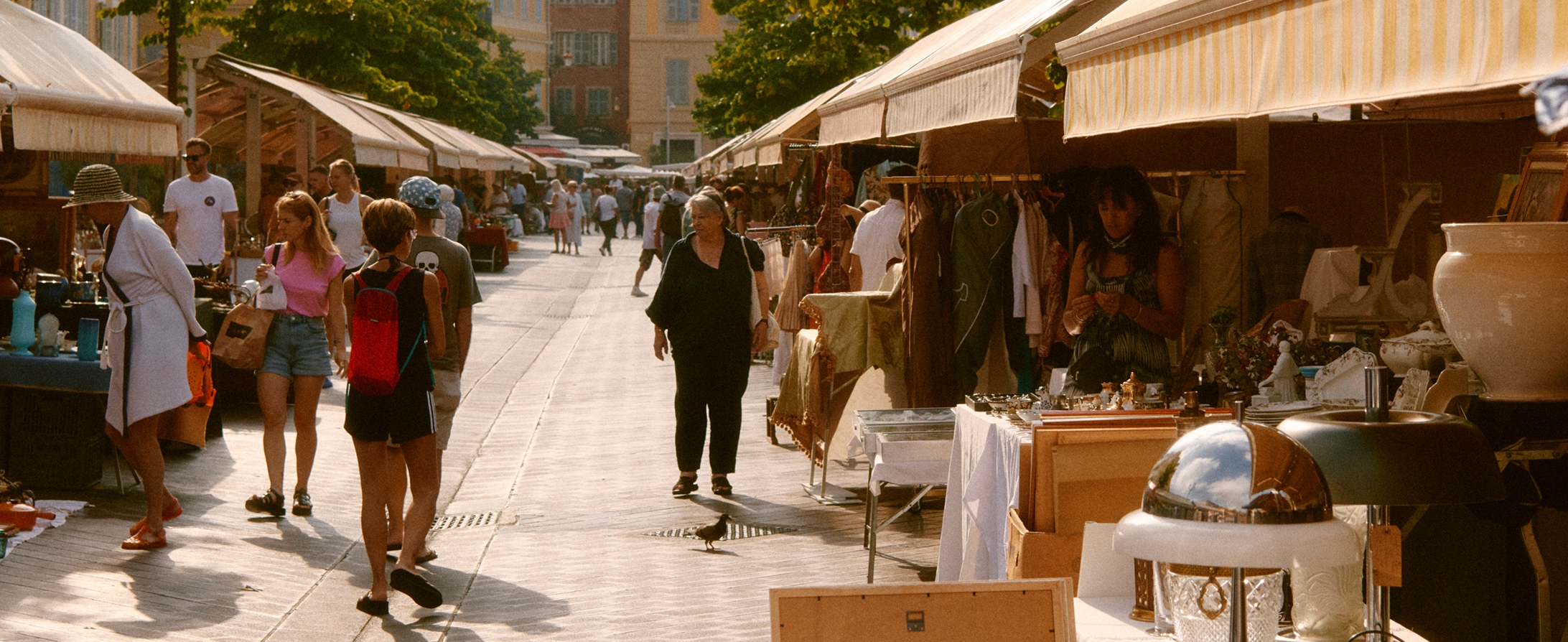
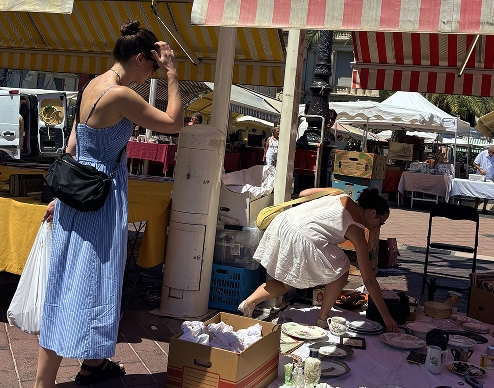
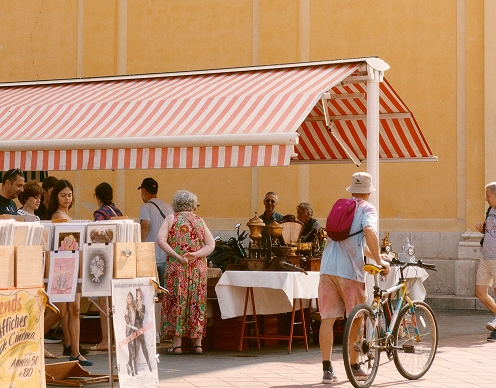
The final layer of an August home is often found not in a showroom, but under a striped awning, between chipped plates, a sun-warmed tray and a dealer unlikely to accept your first offer. For our latest design led homes in the South of France, across the Terme Premium and Son Vida Signature Collections, our team sourced pieces at the antique markets in Nice and Antibes. These trips are not just about finding objects, but about helping each home feel rooted in its setting. Here, that might mean antique glassware, framed artwork, Provençal pottery or a slightly cracked mosaic tile. These details stop a home feeling staged and instead make it feel collected, lived in and quietly connected to the region. Here, we take you behind the scenes of navigating these iconic Riviera markets, long celebrated as part of the region’s cultural fabric, and share what we sourced for these particular August homes.
Nice and Antibes: Knowing the Markets
Nice and Antibes are both brilliant markets, but they are not quite the same experience.
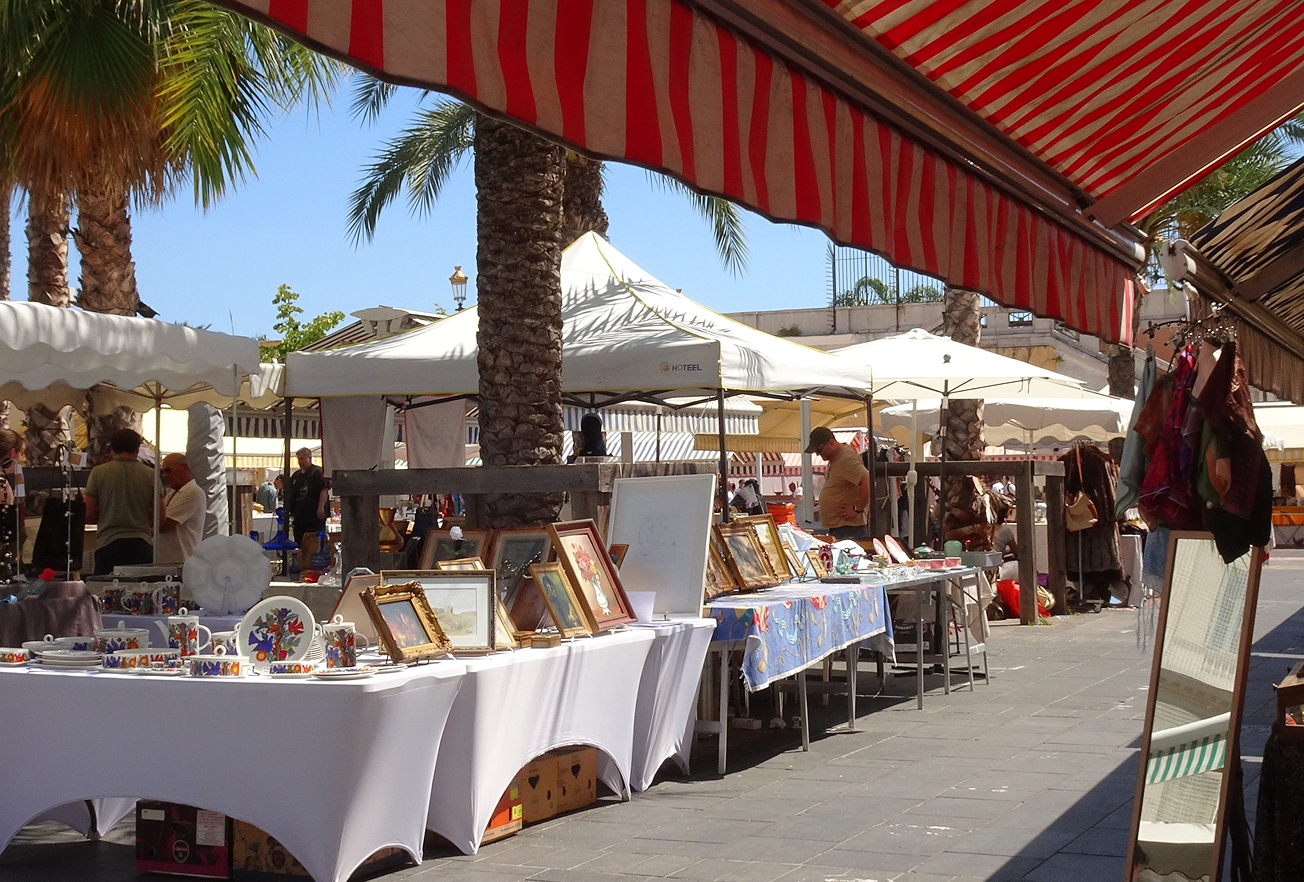
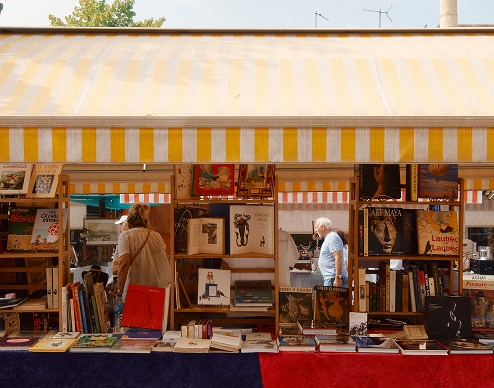
Nice has the advantage of shade, which becomes increasingly important as the morning goes on and the South of France sun starts making its presence felt. Many of the stalls are covered, which allows you to browse comfortably without the intensity of the heat becoming overwhelming. Antibes, by contrast, is more exposed, particularly in the square, so an early start is not just advisable but necessary. By midday, you may find yourself retreating to the nearest café or lunch spot, a particular favourite of ours is Nananère, a quaint local brasserie that overlooks the square.
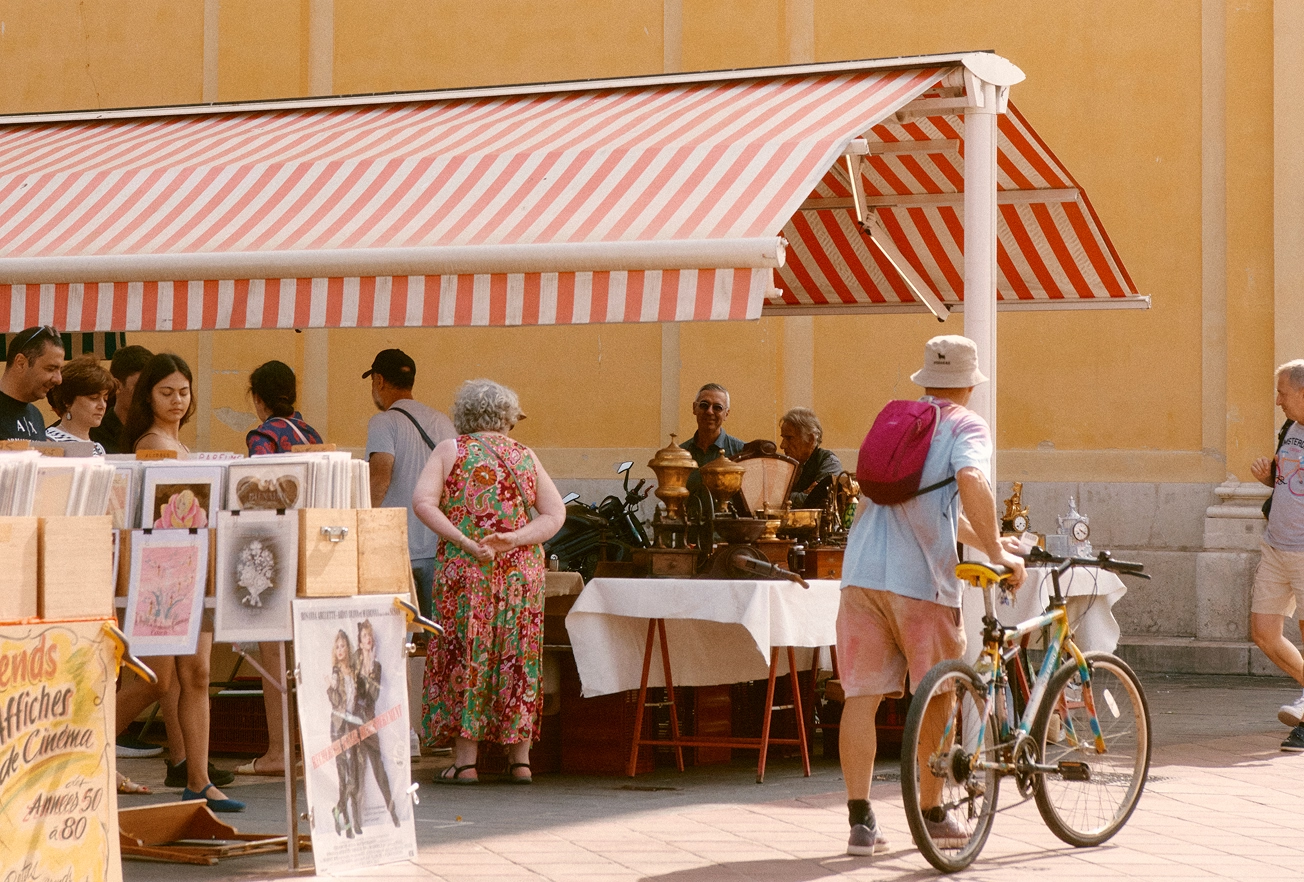
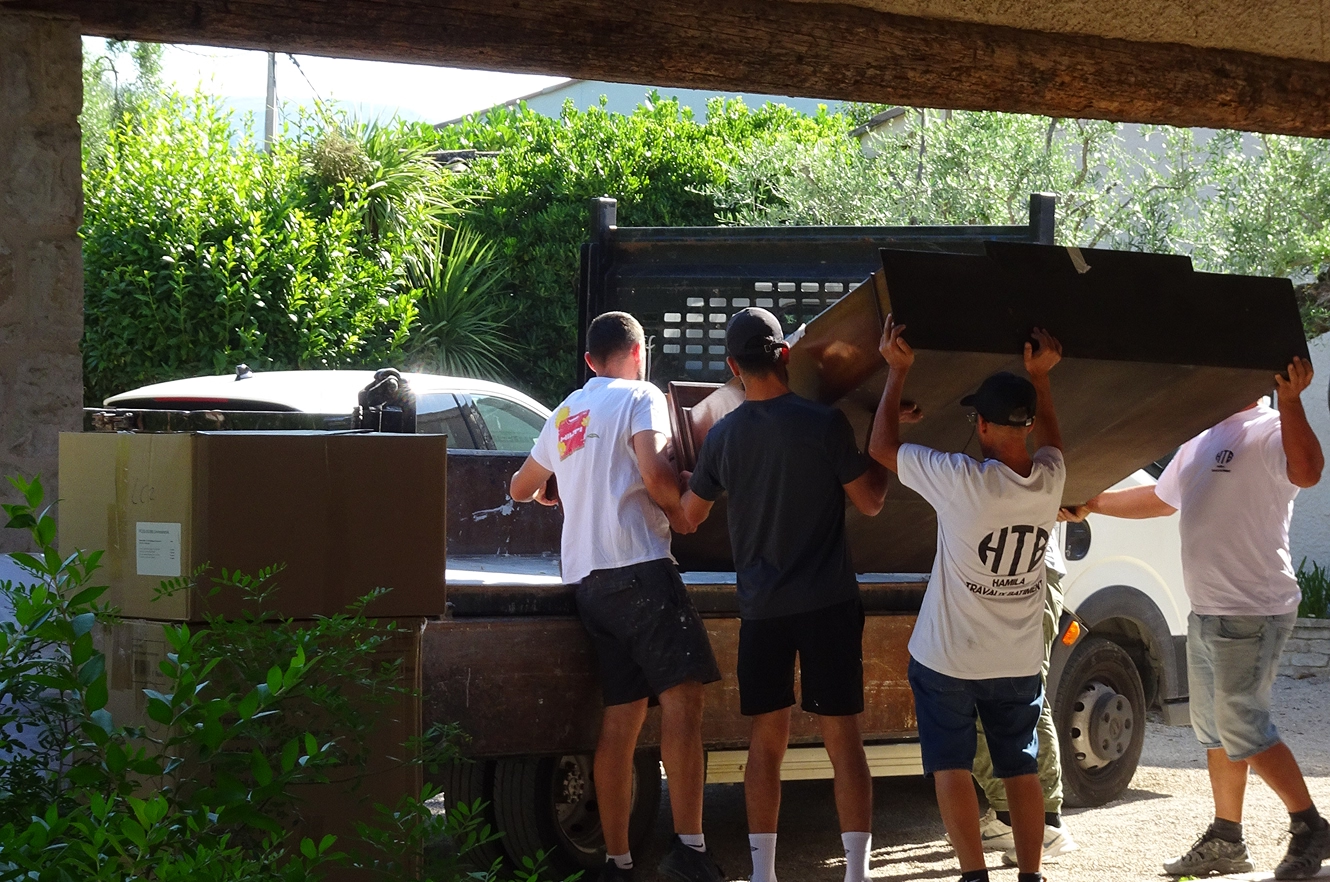
Both markets are especially rewarding if you have luggage space. Larger pieces can often be better value, simply because they are less convenient for tourists to carry home. The smaller, easier to pack objects, the ones that slip neatly into a suitcase and allow someone to say “I found this in Antibes” over dinner, are often priced accordingly.
Cash is also still king. Even asking whether there is a better price for cash can change the conversation. The same goes for buying more than one thing from the same stall. Haggling over a single small dish may get you somewhere, but choosing a few different pieces you’ve got your eye on often gets you further. It becomes less a negotiation and more a shared understanding that everyone here knows how this works.
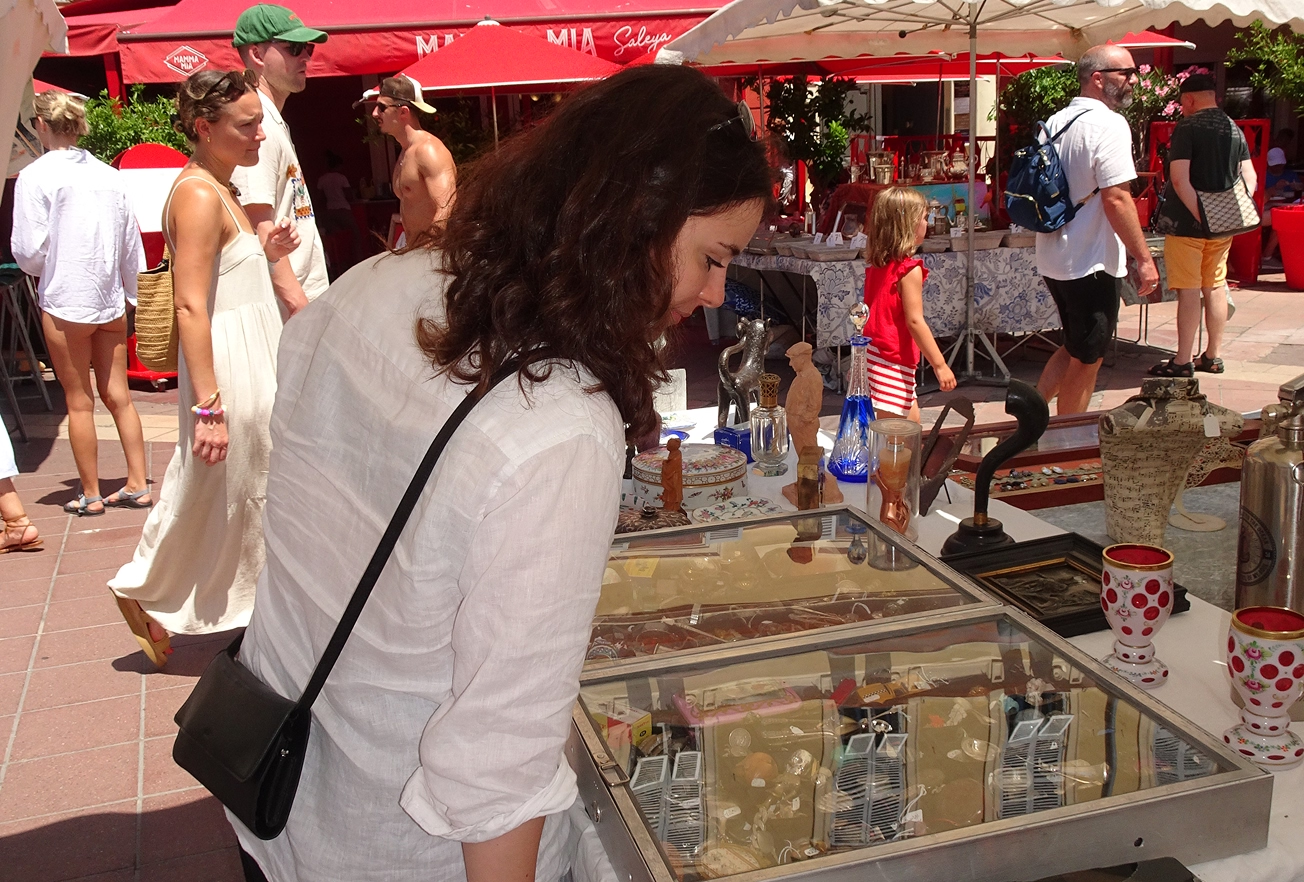
The best advice is to take your time. Photograph what you like, walk around, and circle back to the pieces you are still thinking about. The market has a way of testing your commitment. Something that still feels right after two laps, one coffee and an internal debate usually deserves a second look. And as the market begins to wind down, prices can soften too.


What We Look For
At August, we are rarely looking for perfection.
In fact, perfection can be rather unhelpful at a market. What we are looking for is character: a softened edge, a little patina, a frame with age, a piece that feels as though it has already lived one life and is ready to begin another.
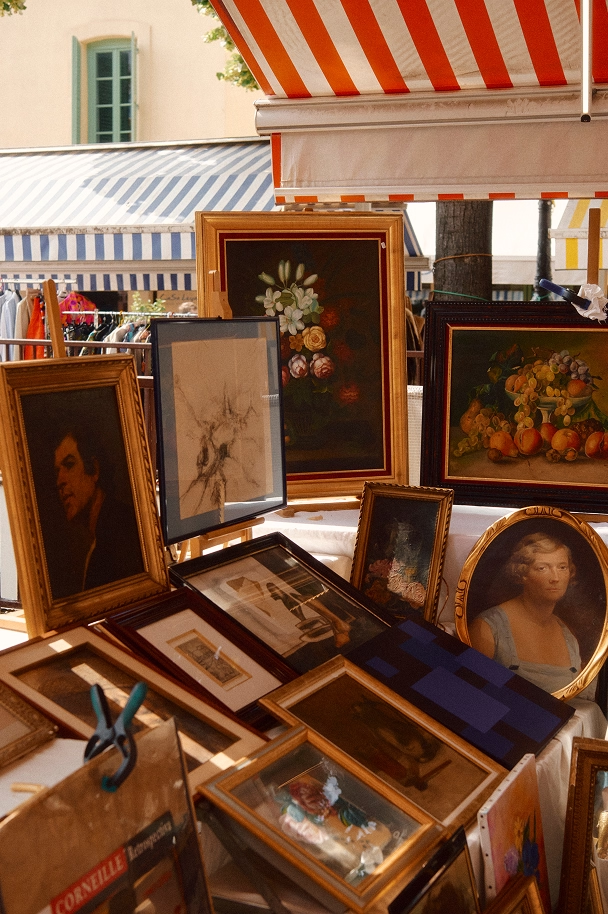
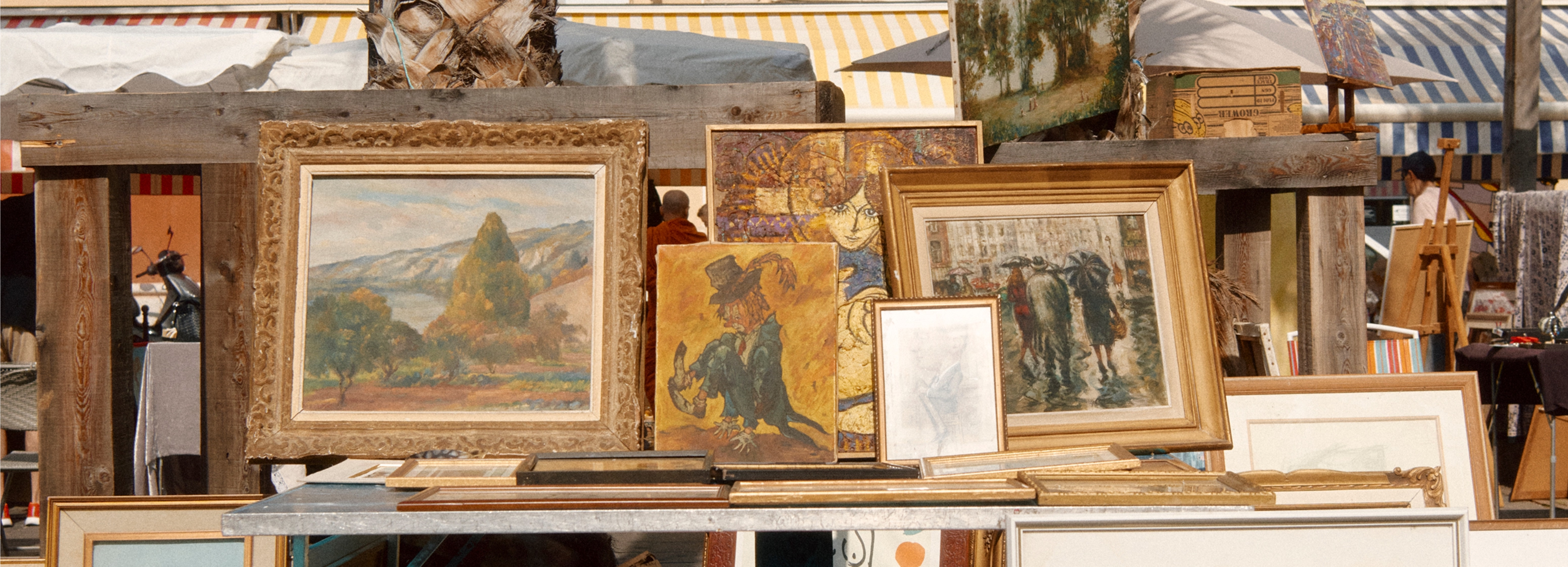
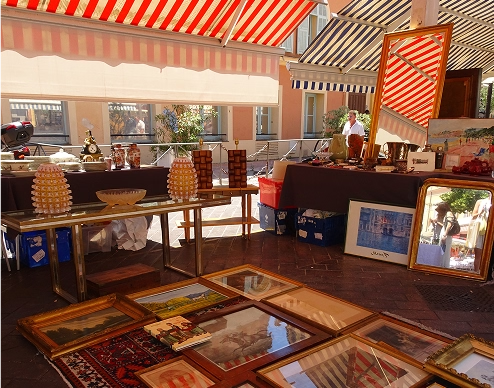
Art is always one of the first things we look for. Both Nice and Antibes are excellent for smaller works in antique frames, the sort that instantly bring a room more depth. Hung in the right place, they make a home feel less decorated and more discovered. The same is true of mirrors. A good antique frame can add texture, light and a sense of history, often for a fraction of the price of something similar from a high end interiors shop.
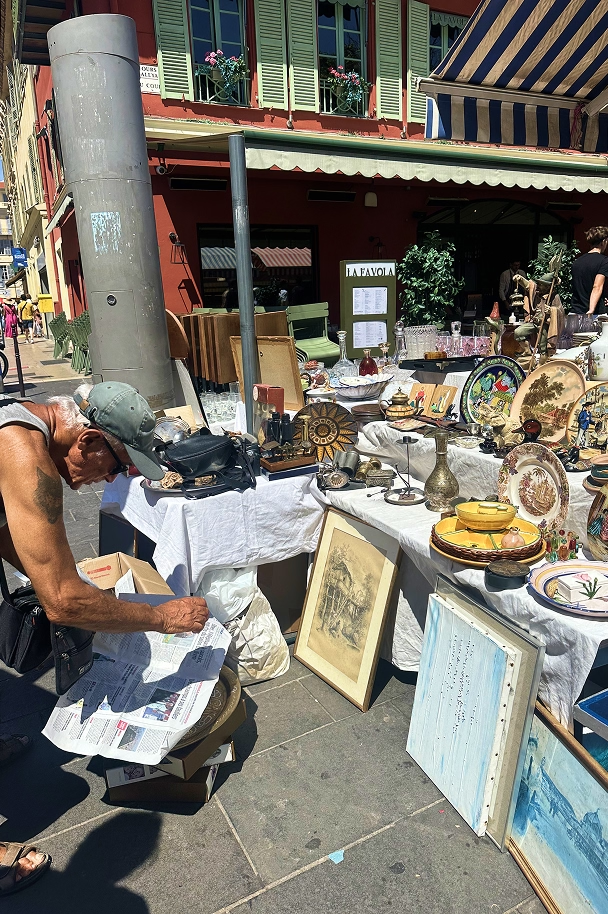
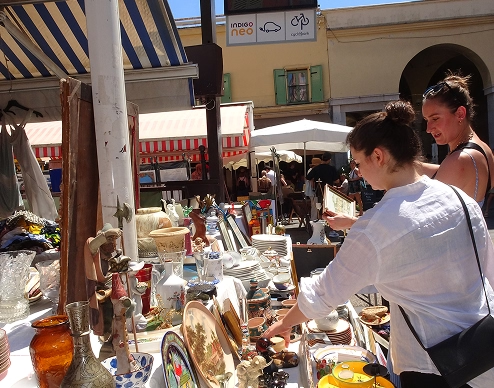
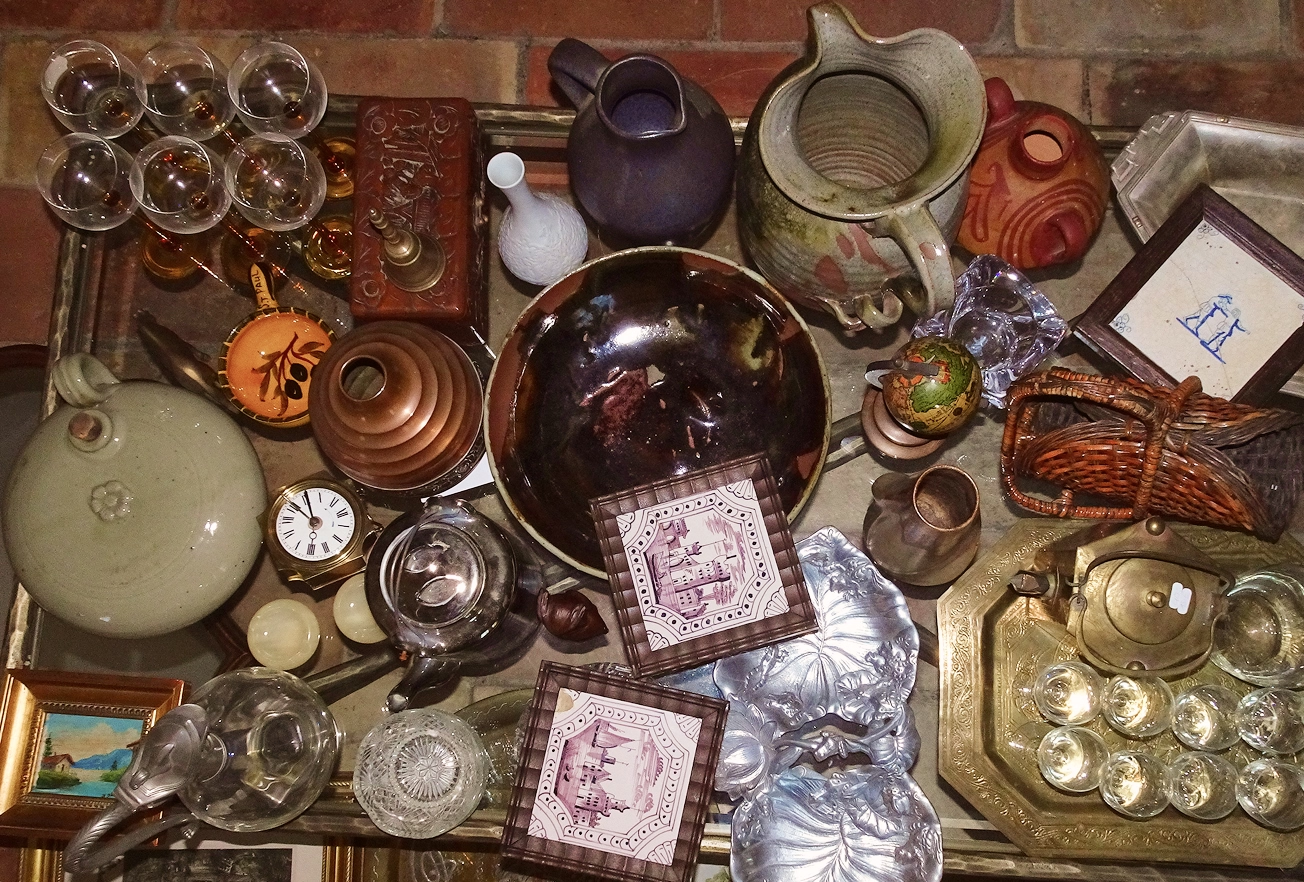
Glassware is another area we keep an eye on, though it takes a bit of discernment. Antique sherry glasses, small shot glasses, carafes and cut-glass powder pots appear in abundance. The dedicated glass stalls in Nice can be beautiful, but they are often priced for people who have already fallen in love. A mixed stall, where a set of glasses is sitting beside pottery, frames and a box of odd spoons, is usually where the better finds and conversations happen.
Pottery is woven into the fabric of this region. The South of France has long been shaped by a rich ceramic tradition, with Vallauris at its heart, where generations of artisans have refined their craft into both functional pieces and expressive works of art, making it especially rewarding to source these pieces in local markets, where a heavy jug, olive oil pourer or hand-painted dish can feel immediately at home. They carry a quiet presence. In the right kitchen, outdoor dining space or study, they simply make sense.
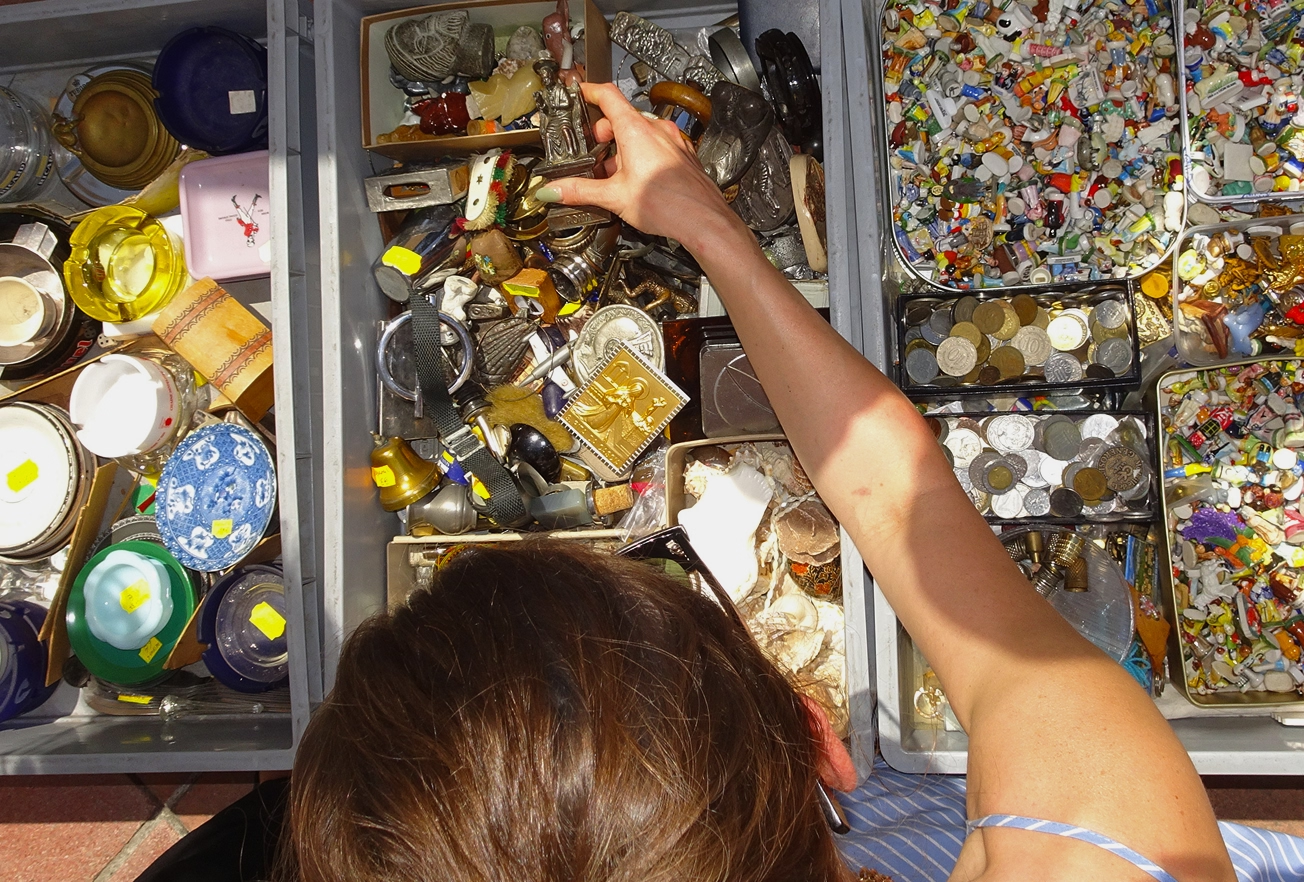
Metalware is also worth patience. Trays, corkscrews, little dishes, footed bowls and decorative objects often sit in boxes that require proper rummaging. It is not glamorous work; there is dust, and sometimes rust. But a little wear should not be frightening. With metal trays, we often soak them in vinegar for a few hours, or overnight if needed, and the rust lifts beautifully. Suddenly the thing that looked a bit abandoned in the morning is looking like new by dinner.
The same applies to chips and cracks. On this trip, we bought three mosaic tiles with visible patina and small cracks. Framed together, those imperfections become part of their charm. They show age, artistry and handwork. A perfect tile might have been decorative. These feel like little fragments of the region.
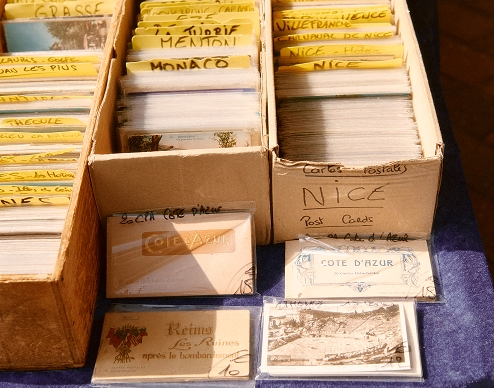
And then there are the bins. The bins of antiques are where optimism and patience goes to be tested, but they are almost always worth it. You have to sift through plenty, but this is where you find old corkscrews, ornate kitchenware, trinket dishes, brass animals, Provençal tiles and unique objects that no one needs until, suddenly, a room does.
From Market Stall to Home
The real pleasure of market sourcing comes later, when a piece finds its place.
For the new Premium home, one of our favourite finds was a heavy ceramic olive oil pourer, now sitting perfectly at ease in the outdoor space. It feels completely natural there, substantial, useful and quietly Provençal. The same goes for a large jug with a curved handle, the kind of piece that makes sense in this region because pottery is so deeply connected to its craft traditions.
We also found a beautiful carafe with a metal top and a silver footed tray, now placed in the study. Both were cleaned up by the team, which is part of the joy of it. These pieces do not arrive perfect. But once they are restored and placed within the home, they bring a depth that something newly bought rarely can.
For the recent Signature home, a metallic horse became one of those finds that felt almost too perfect. With donkeys just outside the home, it brought a playful sense of connection to the setting, the kind of small detail that makes a villa feel personal rather than simply styled.
Throughout the house, little market pots were filled with dried flowers sourced from a small flower shop in Antibes. The shop itself is wonderfully unassuming, despite supplying flowers to superyachts, and the owners hand-dry their own stems. It is exactly the sort of detail we love: local, thoughtful, and slightly hidden in plain sight.
These are not the largest design decisions in a home. They are not the architectural moves, the bespoke joinery or the major pieces of furniture. But they are often the details people remember. A tray on a desk. A jug by an outdoor kitchen. A framed tile in a hallway that feels as though it has always been there.
This is the difference between a home that has been dressed and a home that has been gathered.

Gathered, Not Staged
Sourcing antiques locally is not just about finding beautiful objects. It is about finding the pieces that allow a home to settle into its surroundings.
In the South of France, that means objects with warmth, age and a certain ease. Pieces that carry the colours, materials and craft traditions of the region without needing to announce them. The best finds are rarely the most polished. More often, they are the ones with a small crack, a faded frame, a bit of weight, or a story that becomes clearer once it is placed in the right room.
That is why we return to markets again and again. Not for perfection, but for personality. Not simply to decorate, but to give each home the feeling of having been slowly, thoughtfully collected. Because when a home is finished, it should not feel as though everything arrived on the same day. It should feel like it belongs.
If this has you thinking about life across the August Collections, from the South of France to our wider European destinations, book a call with our advisors today.

The final layer of an August home is often found not in a showroom, but under a striped awning, between chipped plates, a sun-warmed tray and a dealer unlikely to accept your first offer. For our latest design led homes in the South of France, across the Terme Premium and Son Vida Signature Collections, our team sourced pieces at the antique markets in Nice and Antibes. These trips are not just about finding objects, but about helping each home feel rooted in its setting. Here, that might mean antique glassware, framed artwork, Provençal pottery or a slightly cracked mosaic tile. These details stop a home feeling staged and instead make it feel collected, lived in and quietly connected to the region. Here, we take you behind the scenes of navigating these iconic Riviera markets, long celebrated as part of the region’s cultural fabric, and share what we sourced for these particular August homes.
join the conversation
Fill in the form below to secure your space
Details to join the virtual event will be sent by email.
Discover August, the concept and how you can become a Homeowner.
Learn about our Collections and experience some of the homes
Understand the process to join
And all of your questions answered
RSVP to save a spot. The details to join the virtual event will be sent to you shortly.

1. Introduction to the August
concept
Discover more about August, our unique co-ownership model and how you can become a Homeowner
2. Homes & Collection
Learn about our unique types of Collections, our homes and which Collection suits you
3. From a house to a home
Hear from Homeowners, who will be sharing their experience and help to answer your questions
request a brochure
Begin your journey to second homeownership by arranging an introductory call with a member of our expert team.