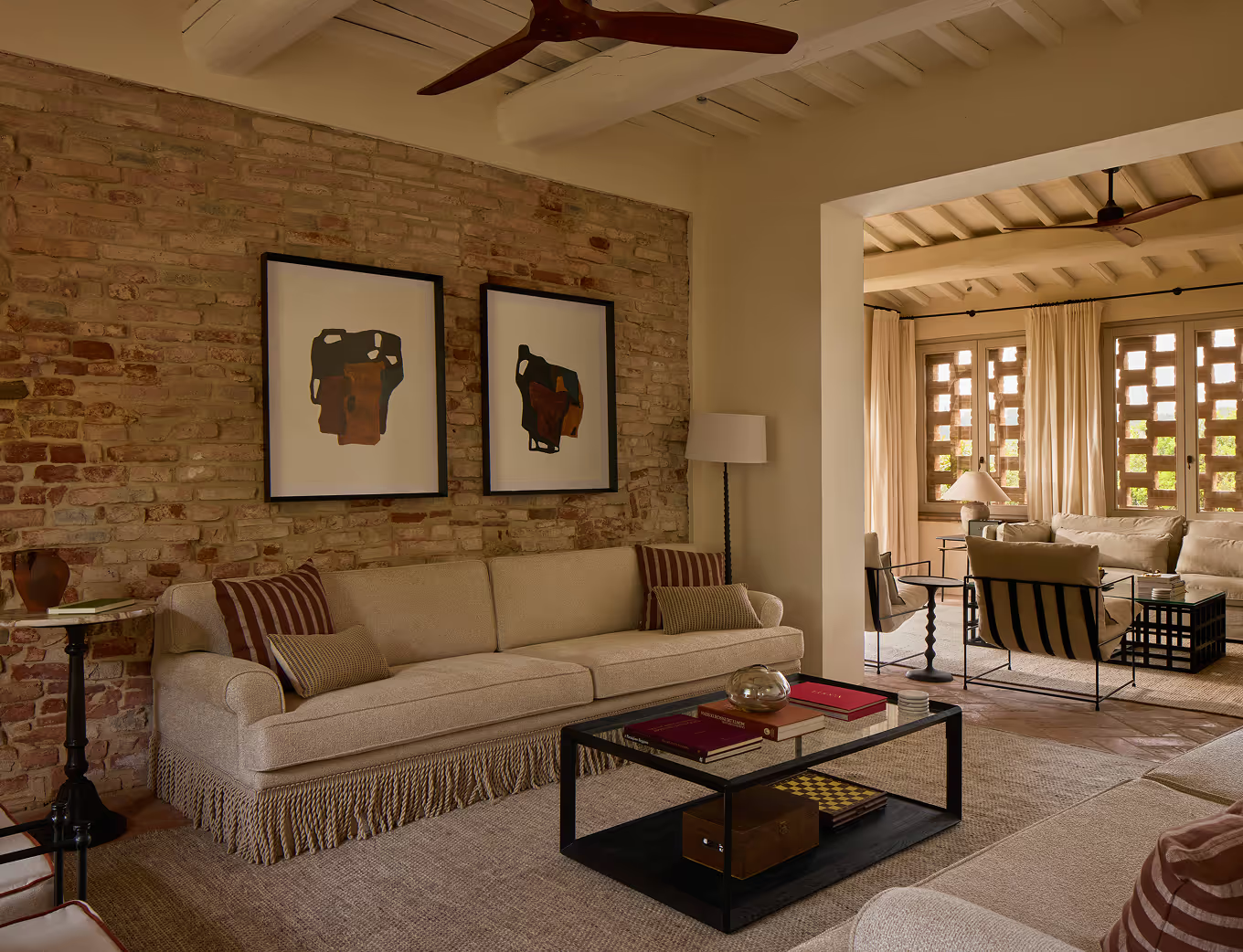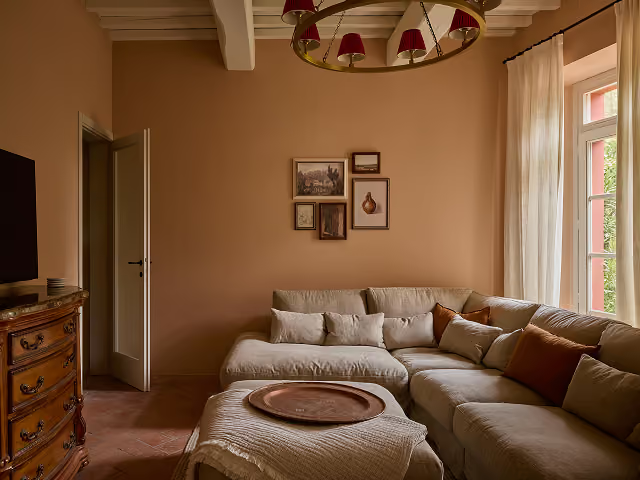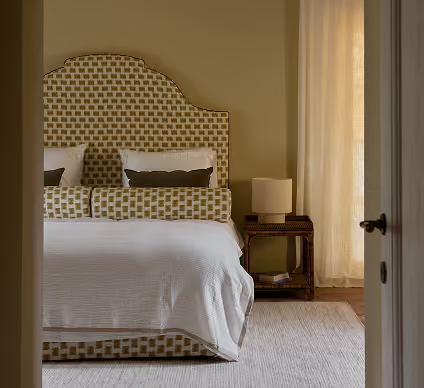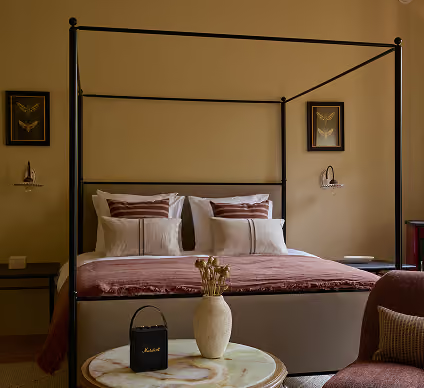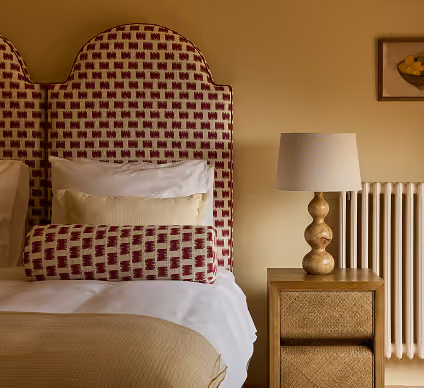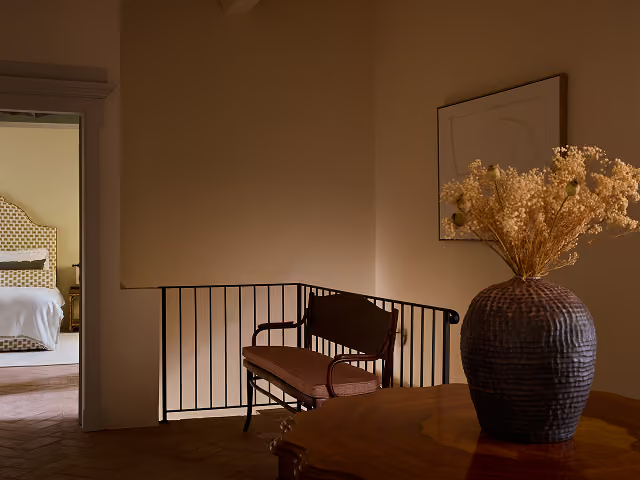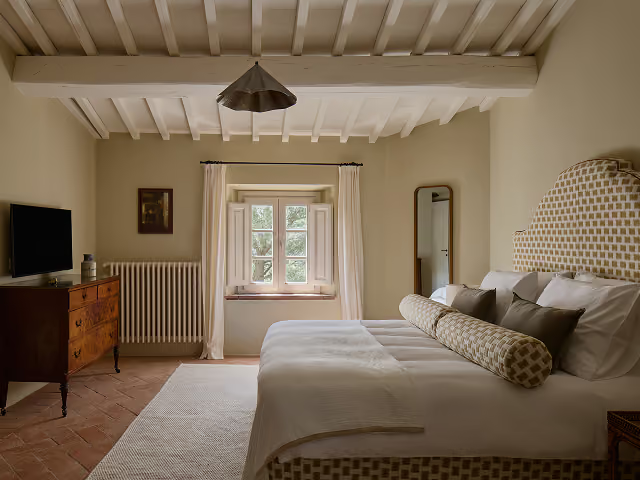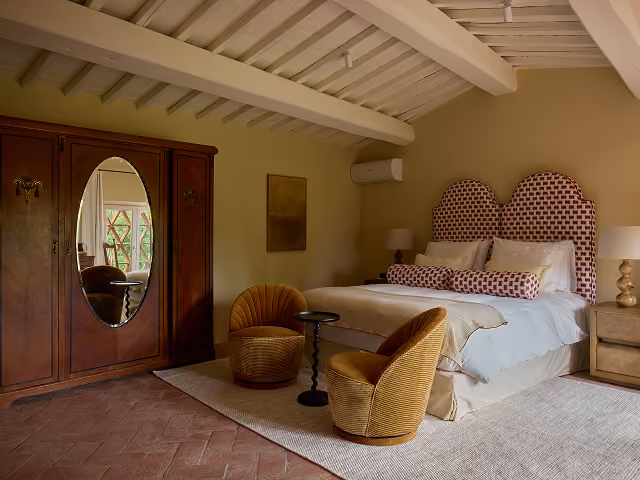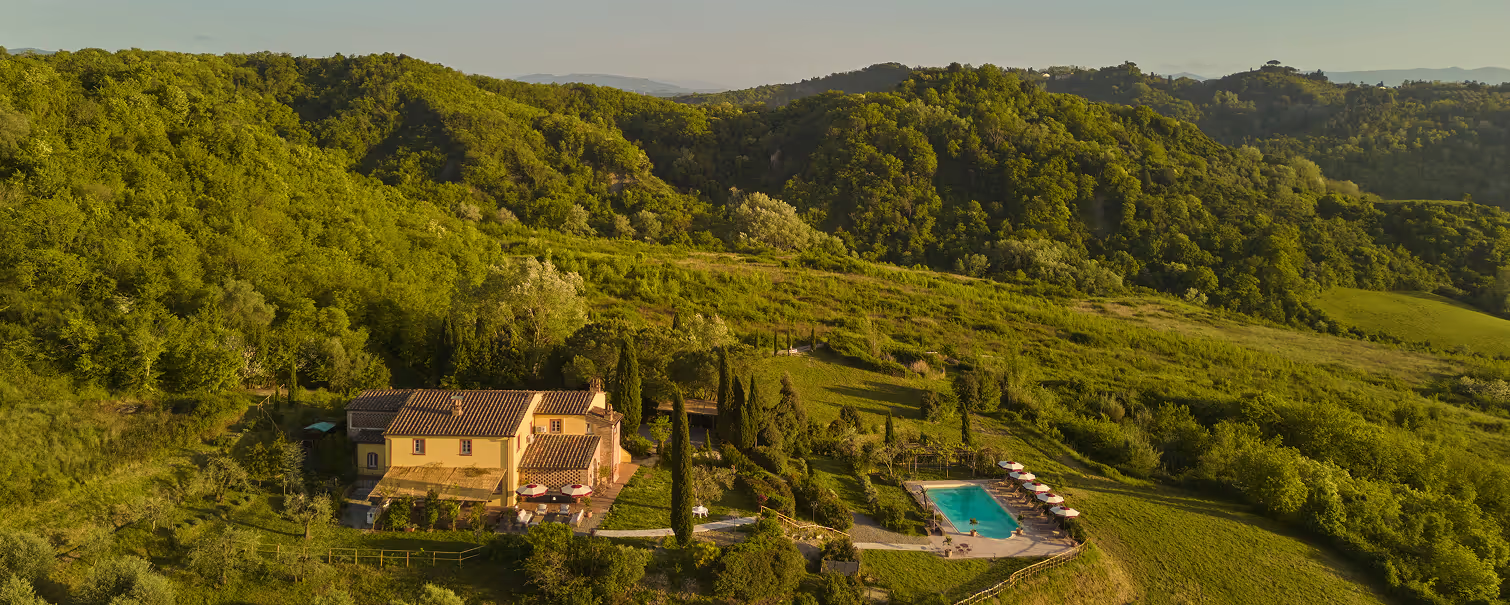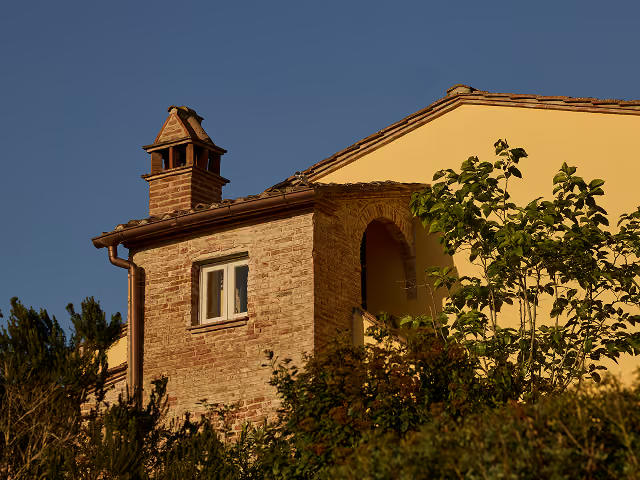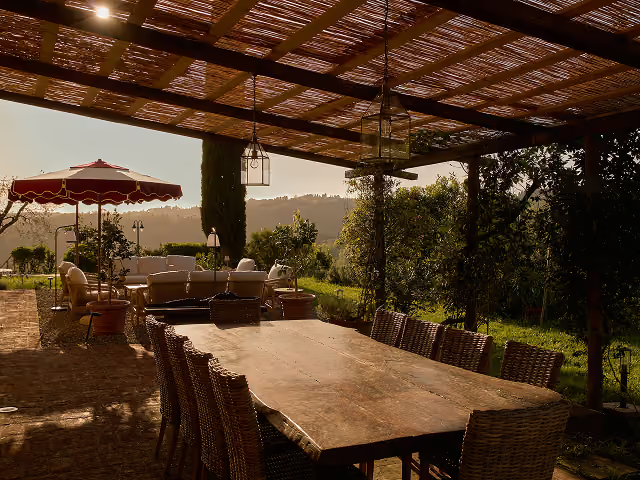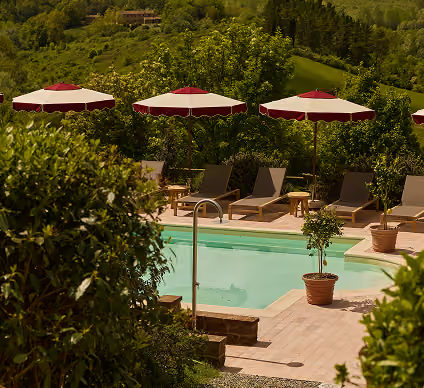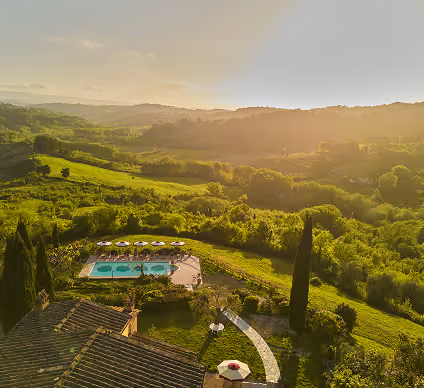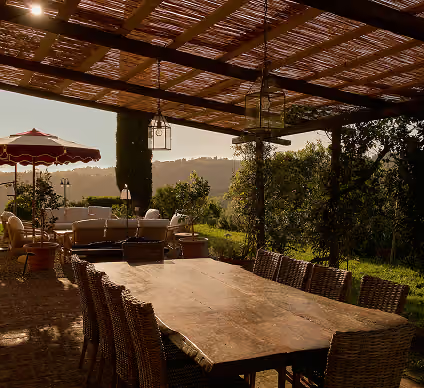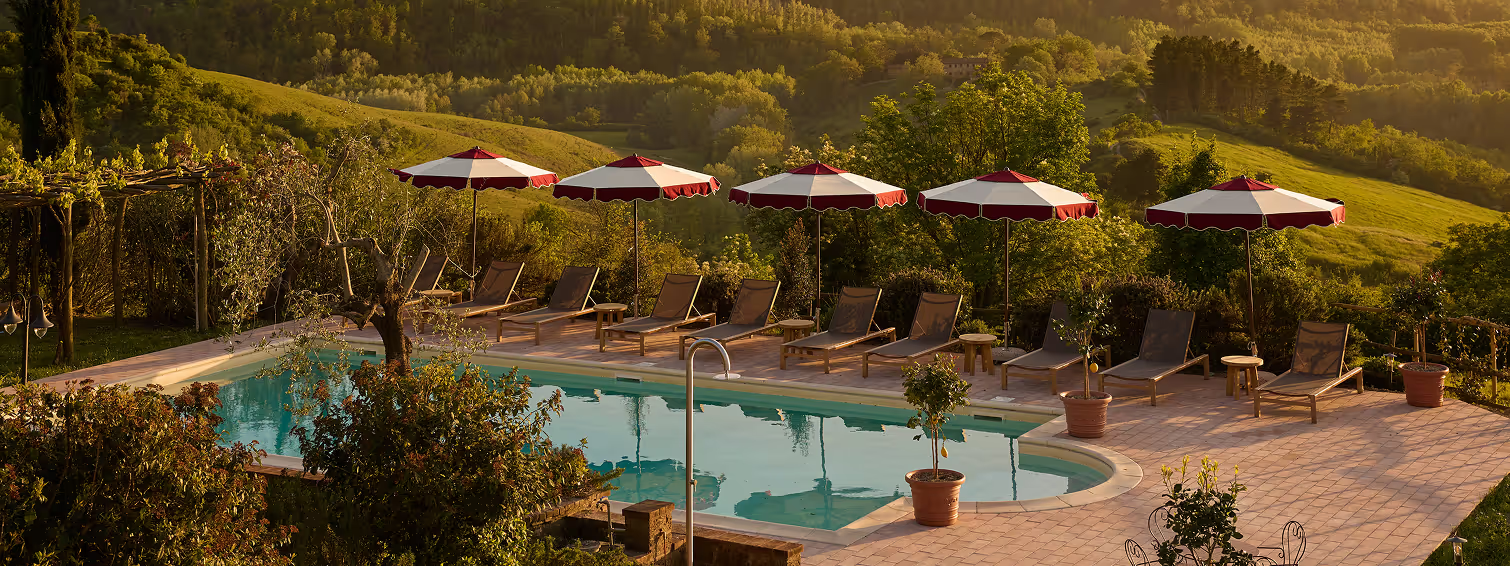
What does it take to breathe new life into an old home without losing its soul? We sit down with our Head of Design, Karolina, as she takes us behind the scenes of a quietly dramatic Tuscan restoration and shares her personal blueprint for reworking existing features while preserving their original charm. With its generous proportions, symmetrical bones, and a trove of original details, the home offered a rich foundation. Rather than overwrite its character, the August team embraced it, working with the natural patina of age and layering in a muted, purposeful palette. Here, she shares her top tips for renovating with intention and how to honour a home’s past while designing for the way we live now…
A Lighter Touch: Designing with intention
Q: This project wasn't your typical Tuscan farmhouse. Did that shift your design approach?
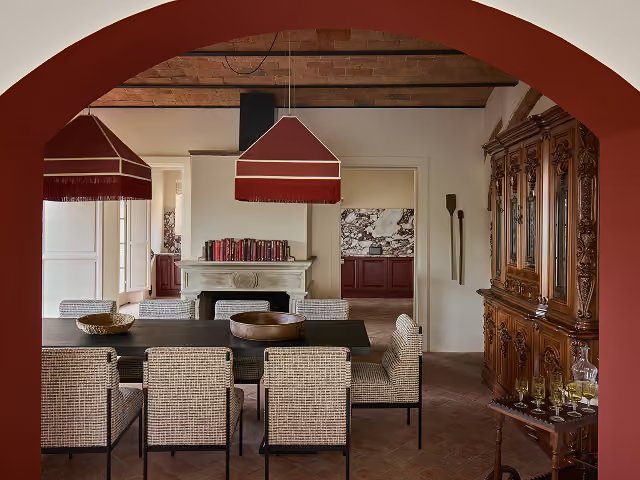
Absolutely. This villa was on a grander scale than what we’ve worked with previously. We’ve renovated farmhouses before, but this one felt distinctly like a Villa Padronale or "a traditional master’s villa", with a more symmetrical layout and an inherently formal character. From the start, we knew we wanted to preserve that elegance without over-decorating. What made it especially unique was that the previous owners left behind a house full of antiques, beautiful pieces in incredible condition. Instead of starting over, we treated those antiques as a foundation. The design restraint came in choosing not to erase what was already so rich with history, but to frame it with subtle, intentional updates that honoured the bones of the house.
Q: Were there elements you thought you might remove but ultimately kept?
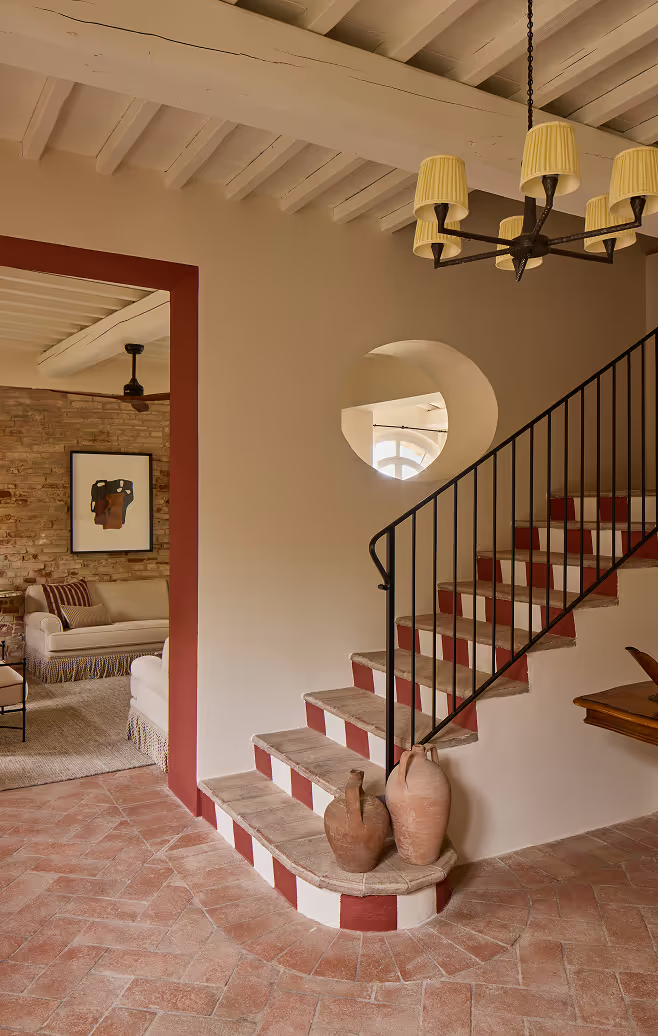
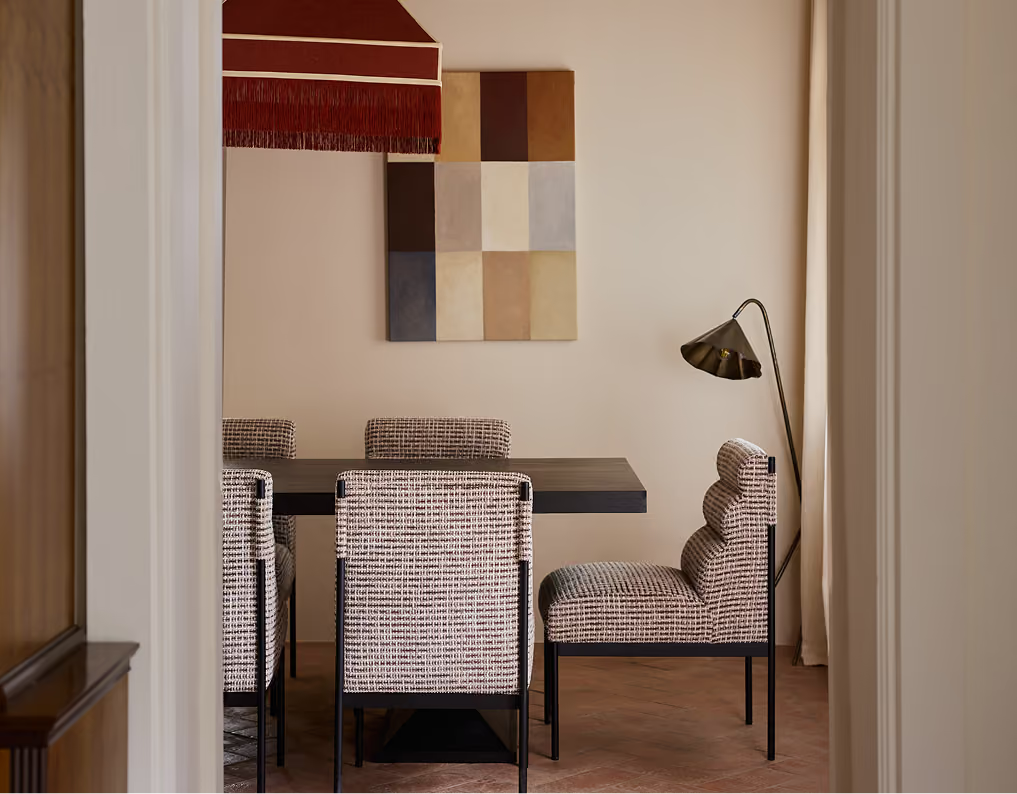
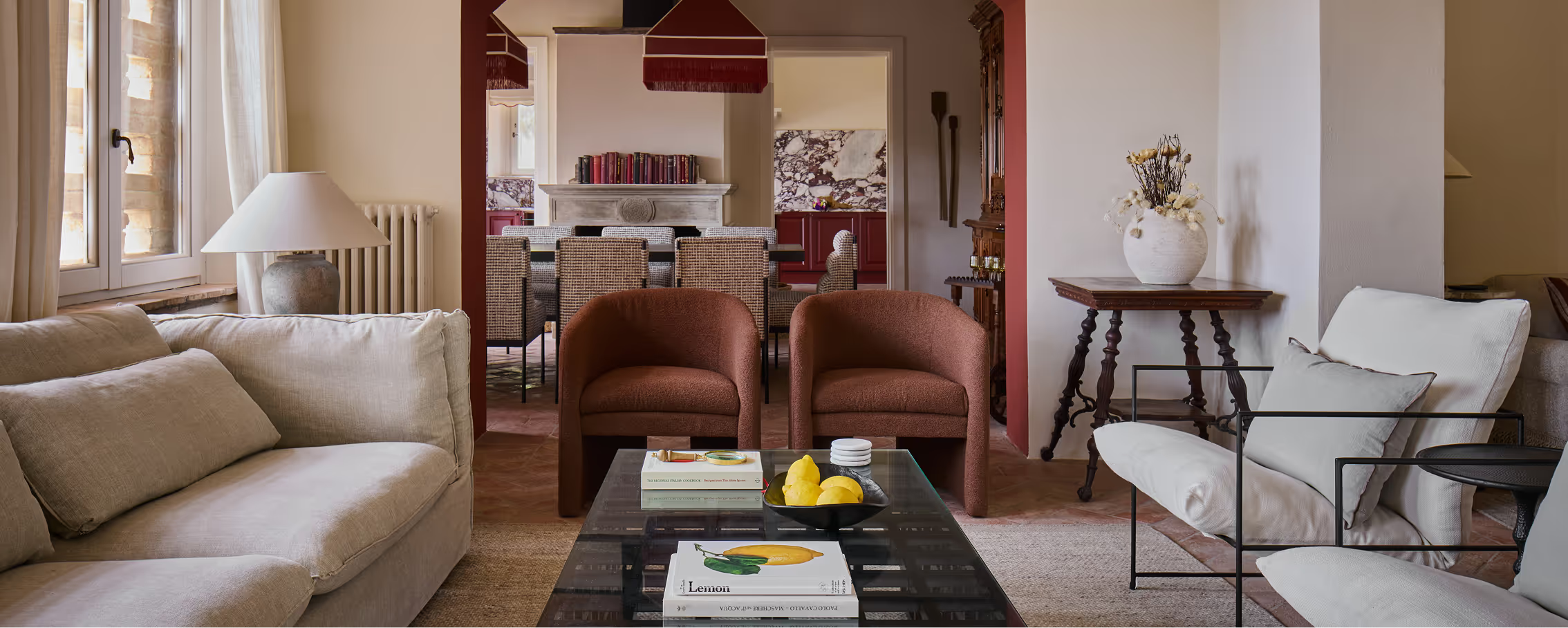
Yes, and it was really about finding balance. The red window detailing, for example, was something we questioned at first. It wrapped around the house both inside and out, and initially felt a little loud. But we realised it was one of the home’s key personality traits. So instead of removing it, we reimagined it: used it more sparingly, carried it through into key archways, and introduced one of my favourite details - the checkered staircase. In these grander villas, staircases are typically central and ceremonial, so we leaned into that and used this pattern to draw attention to its form. The red became a quiet, playful through-line, echoed in marble selections in the bathrooms and used as an anchoring accent throughout the house.
Q: With so many antiques already in the house, how did you approach furnishing?
We approached it with contrast in mind. You can’t fill a Tuscan villa entirely with antiques as the architecture already brings so much texture: terracotta floors, timber beams, stone fireplaces. Too much of the same can feel heavy or dated. So we balanced it with contemporary softness with fringed sofas in refined fabrics, iron stools, layered linen curtains. We also played with traditional forms in a fresh way. For instance, the sofas have modern silhouettes, but the fringe nods to heritage design. There’s a subtle playfulness there, like reinterpreting your nonna’s house, but with polish!
Q: And when it came to designing the kitchen, arguably the anchor of any home, how did you ensure it felt as considered and contextual as the rest despite it being new?
The kitchen was one of the only spaces we were essentially starting from scratch, so it was really important that it didn’t feel disconnected from the rest of the house. We wanted it to feel grounded, as though it had always been there, but still refined. For us, that comes down to materials and detailing. We used a traditional cabinet profile to echo the architecture, but gave it a fresh, updated finish so it wouldn’t feel too heavy or overly rustic. The marble was a big moment. We sourced a thick 3cm slab, which gave the island real weight and a sense of place. It’s a subtle nod to Italy’s marble heritage without being too showy.
To layer in more soul, we also brought in an antique cabinet to store the glassware, not just as a functional piece, but almost as an art piece. It brings that lived-in quality the rest of the house has in spades. The only original element we kept was the existing hood, it adds the perfect sense of permanence, that feeling that the kitchen has quietly evolved over time rather than being newly inserted.