

April 13, 2026
The Interior Language of a Prime Tuscan Estate
When the Prime Tuscan estate is complete, stepping inside will feel immediate and grounding. The interiors are being designed not to announce themselves loudly, but to unfold with quiet confidence, shaped by history, materiality and proportion. Rooted in Florence’s architectural lineage yet interpreted through a contemporary lens, luxury is felt in weight, texture and restraint rather than polish. Guided by Francesca, Head of Design at August, the interior approach has been one of careful listening. “The villa already had a very clear character,” she explains. “Our role was to respond to that, honouring its structure and spirit while refining how it lives today, shaping the kind of quietly generous, lived-in luxury that defines the Prime lifestyle.” The result is an interior language that feels both deeply Tuscan and unmistakably Prime.
A Florentine Interior Language
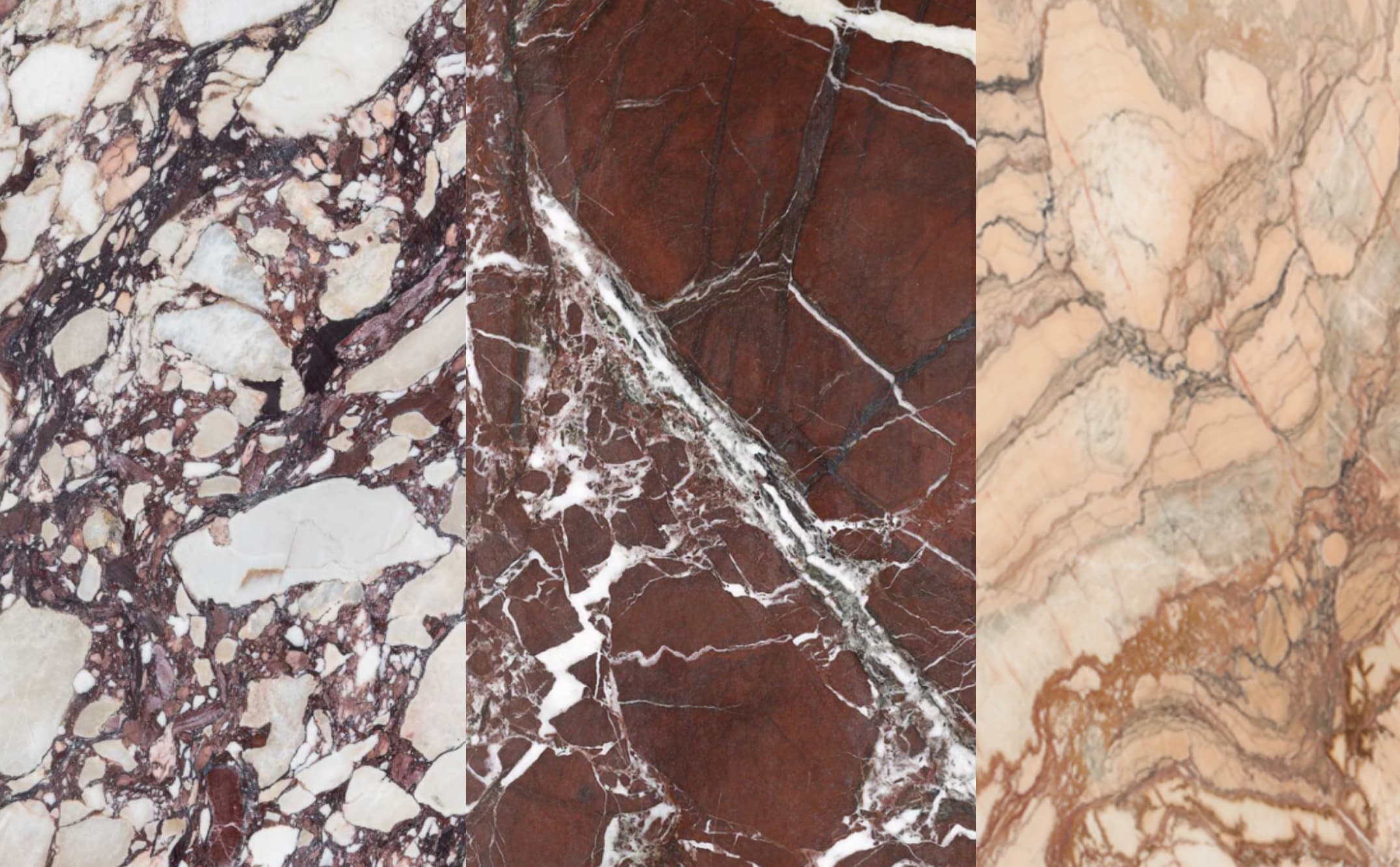
The design direction begins with material honesty. A neutral, sophisticated base is enriched through a palette drawn from the Tuscan landscape itself, terracotta beiges, earthy browns, and deep, expressive reds and purples that recall Florentine villas rather than rustic farmhouses. Throughout the home, bold marbles take centre stage: Calacatta Viola, Rosso Levanto and darker variations of Calacatta Viola introduce drama through veining, set against softer, matte textures.
“These marbles have so much movement and depth,” Francesca notes. “We wanted to celebrate that character, but always in balance, letting them sit alongside calmer surfaces so the home never feels heavy.” Terracotta tones ground the spaces, while iron-wrought accents in lighting and furniture echo the villa’s exposed beam work, reinforcing a sense of structural continuity.
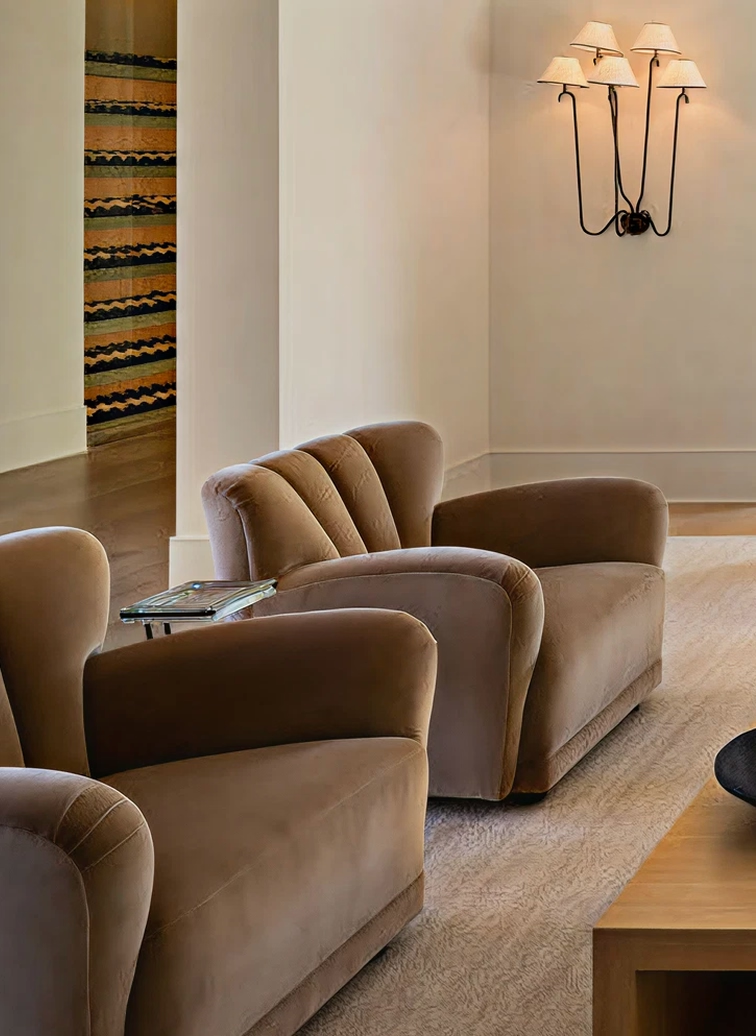
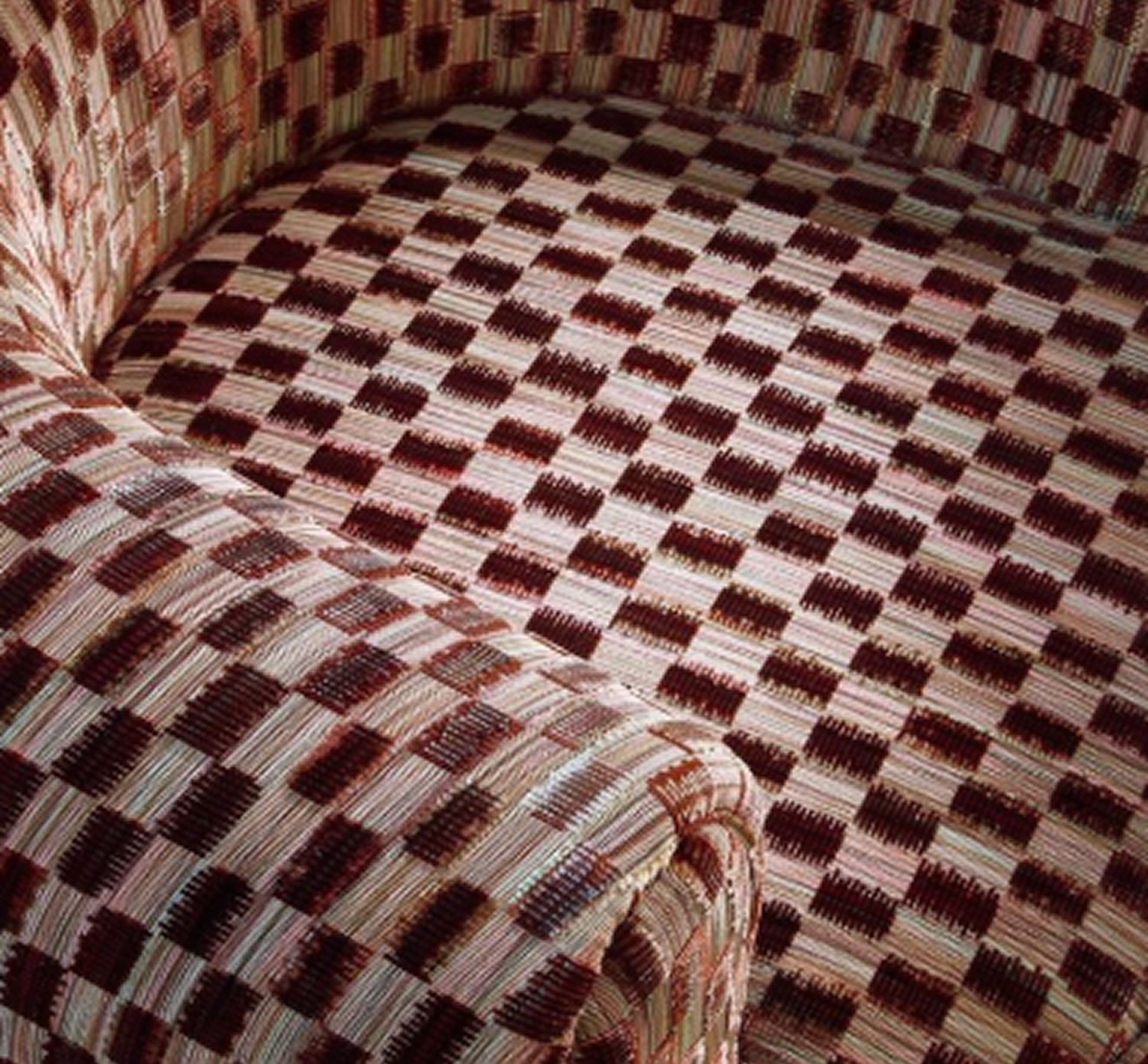
Texture plays an equally important role. From woven fabrics and tactile wall coverings to sculptural furniture forms, warmth is layered gently throughout the interiors. There is also a quiet nod to the kind of hospitality found in a Tuscan nonna’s home, the sort where chairs are generously upholstered and hospitality is assumed rather than arranged, reinterpreted here through a more refined lens. Art is integrated as part of this material dialogue, adding rhythm and softness rather than statement. The result is an atmosphere that feels rich yet composed, luxurious without excess.



Designing with What Remains
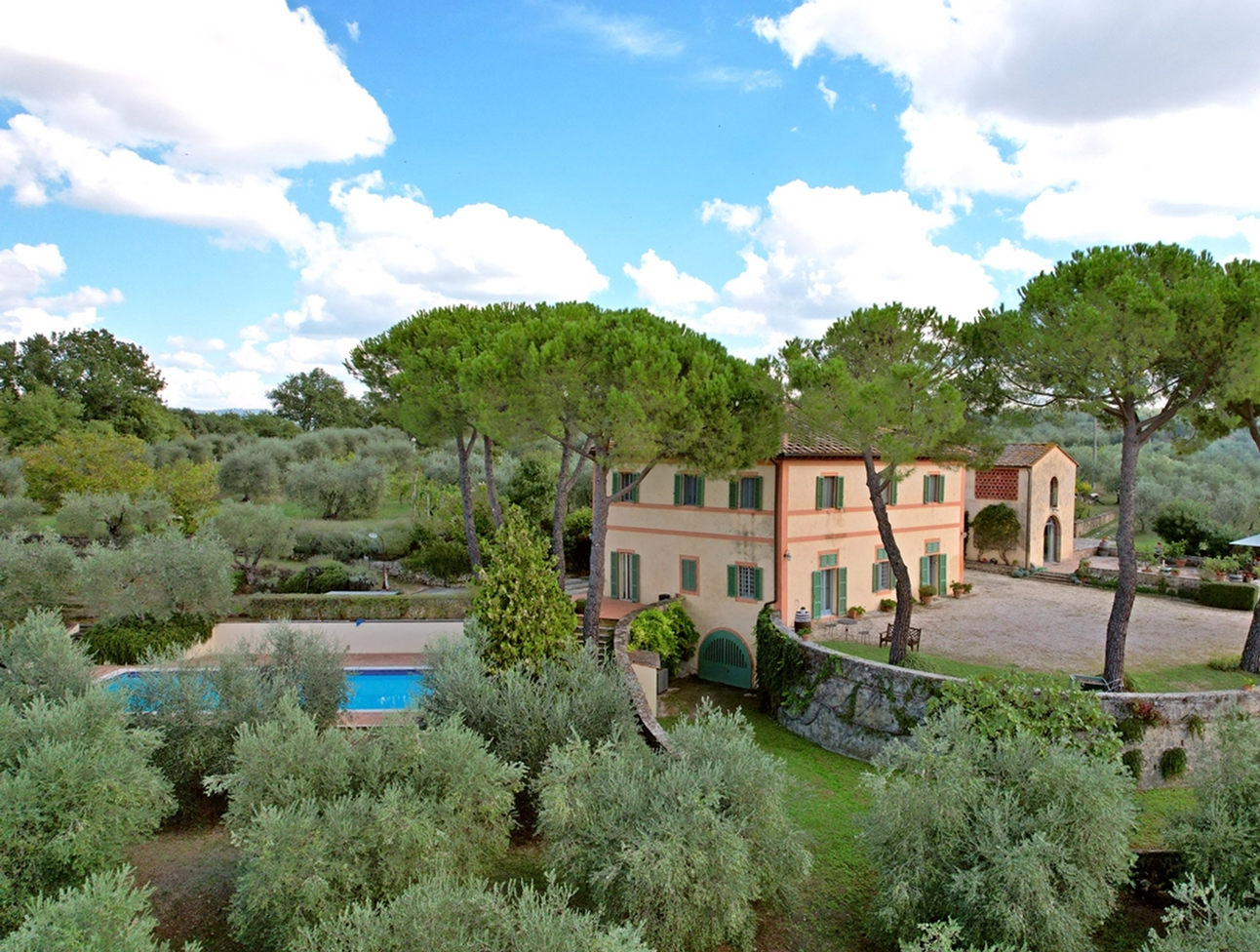
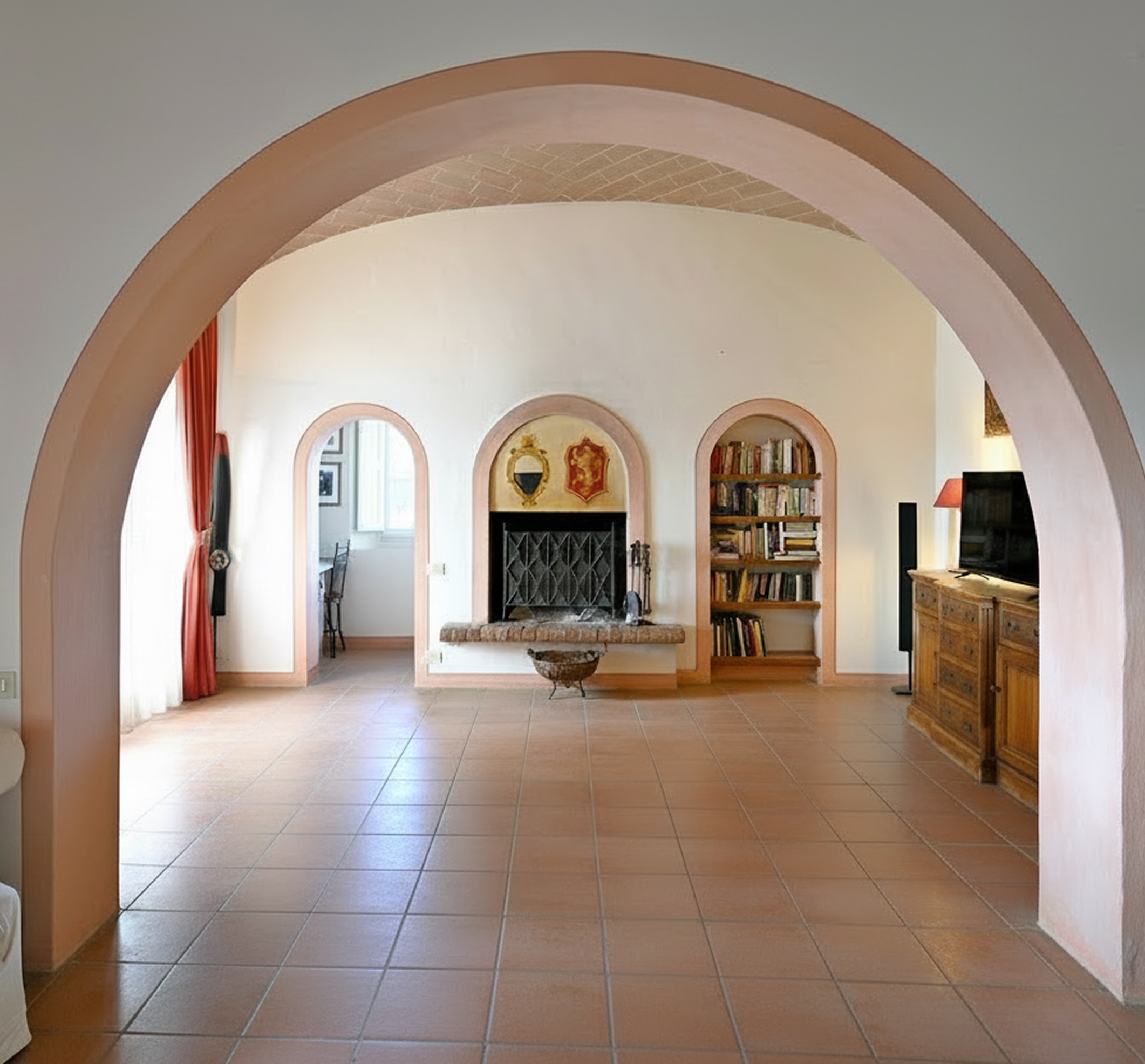
At the heart of the project lies a commitment to preservation. Almost all of the original cotto flooring has been retained, its patina embraced rather than replaced. Arches, beams and vaulted ceilings remain intact, with colour introduced selectively to define routes through the home rather than overwrite its history. “Luxury, for us, is knowing what not to change,” Francesca reflects. “These surfaces carry time within them. Keeping them allows the house to feel settled, not staged.” This philosophy extends to the home’s dual structure: the main villa and the annex, formerly wine and olive oil storage, are treated as distinct yet connected spaces, each adapted thoughtfully to modern living without losing their original purpose.

Arrival, Gathering and the Heart of the Home
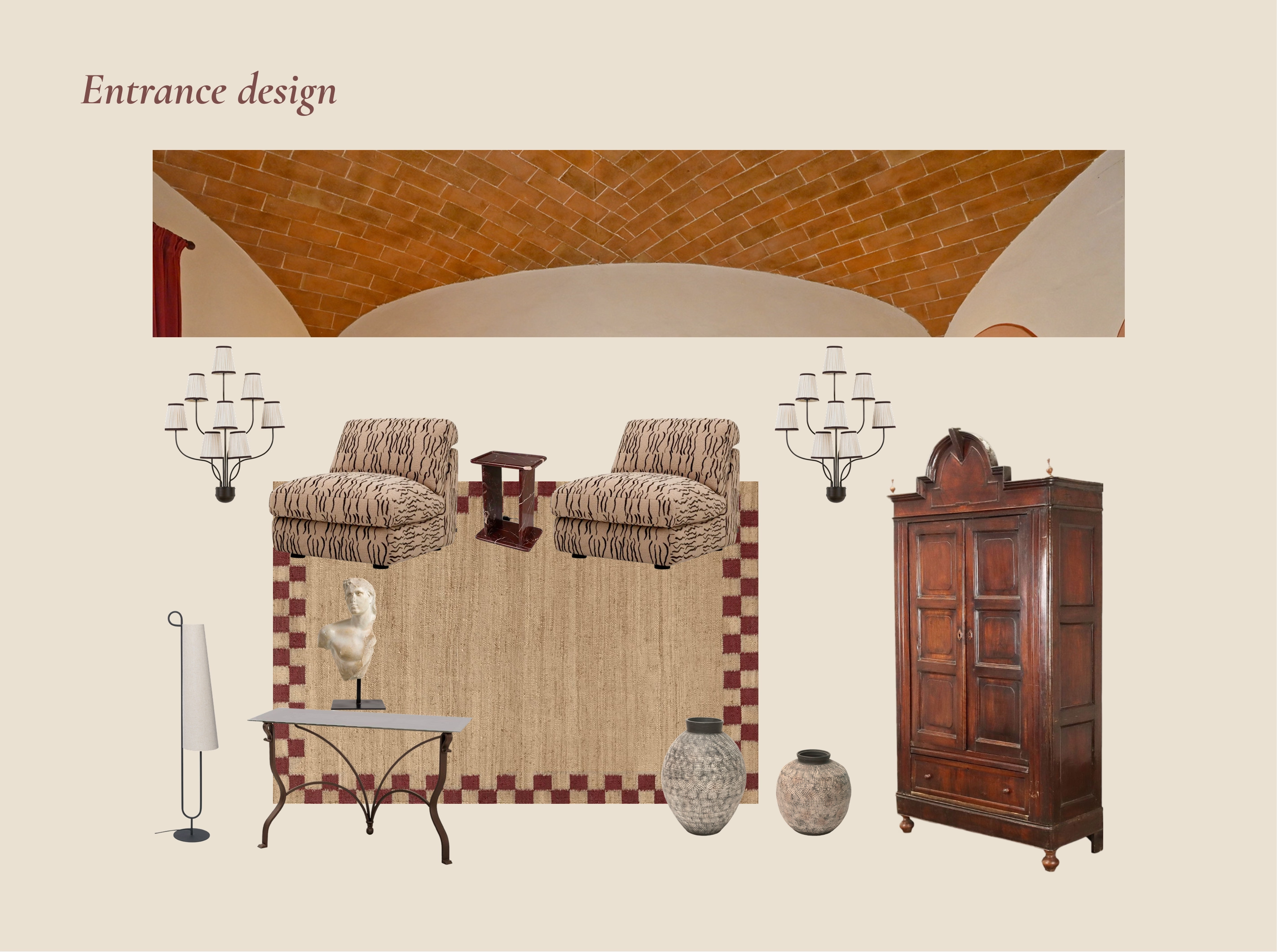
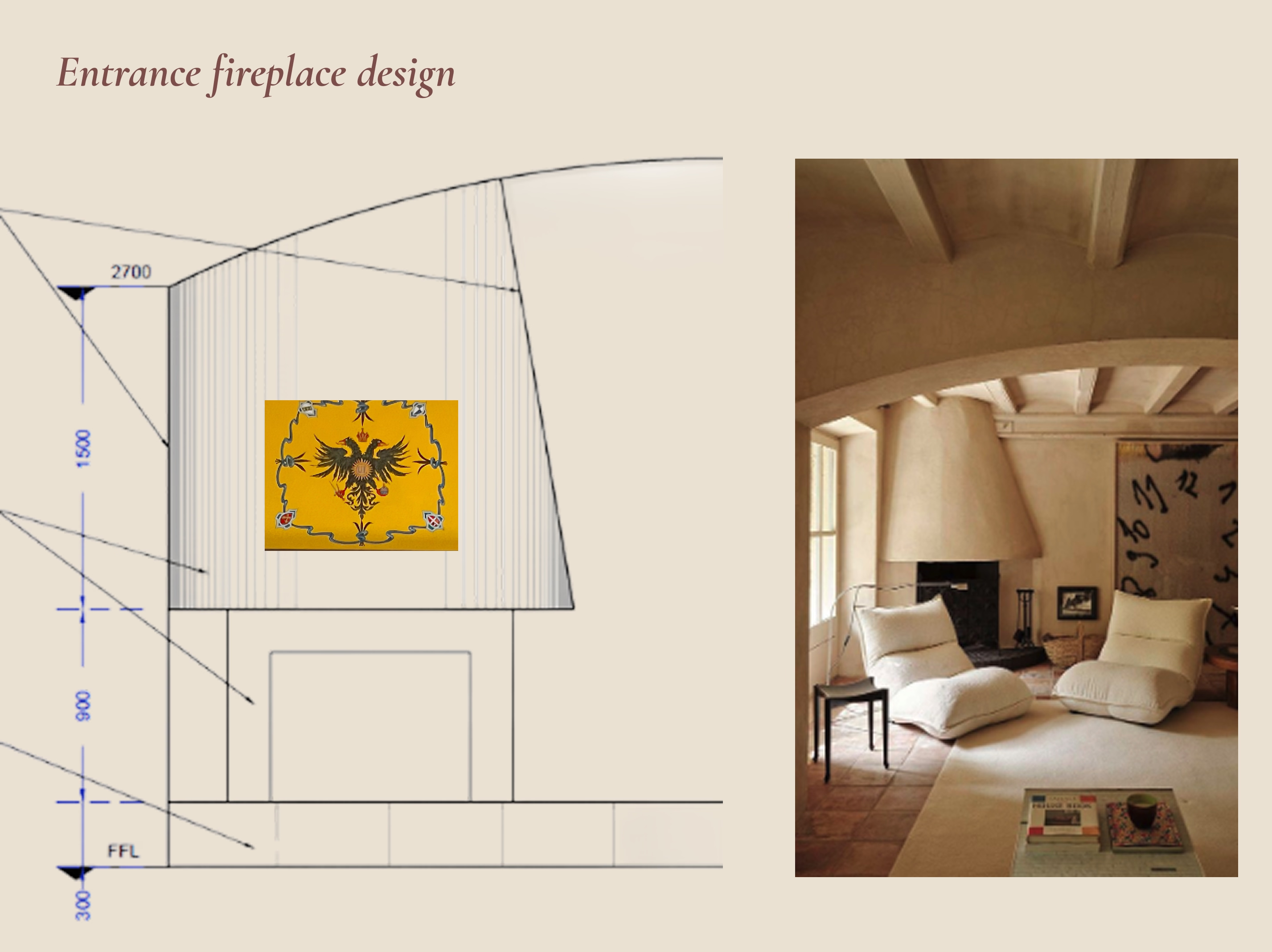
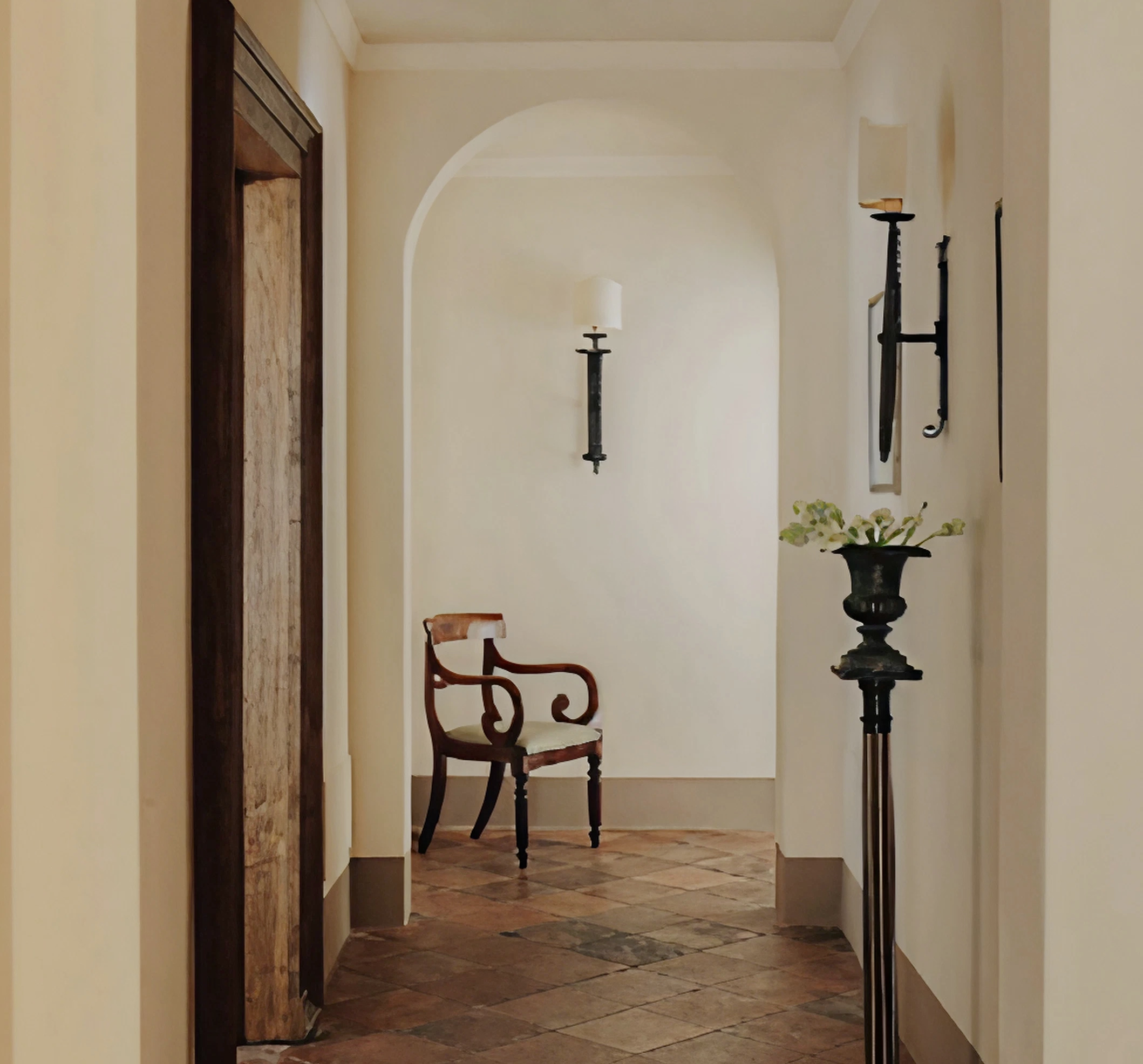
A large part of the interior planning focused on the journey through the home, and ensuring the entrance feels worthy of the villa’s grand exterior was paramount. To define this moment of arrival, a previously unused area is being reimagined with a sculptural fireplace designed to anchor the entrance. Curved and enlarged to enhance its presence, it becomes a moment of arrival rather than a passageway. Above it, a hand-painted crest, once part of the villa’s fabric, as been recommissioned as a framed artwork, reintroduced as both history and focal point. Antique furniture, wrought iron lighting and a checkerboard rug set the tone: layered, confident, and quietly grand.
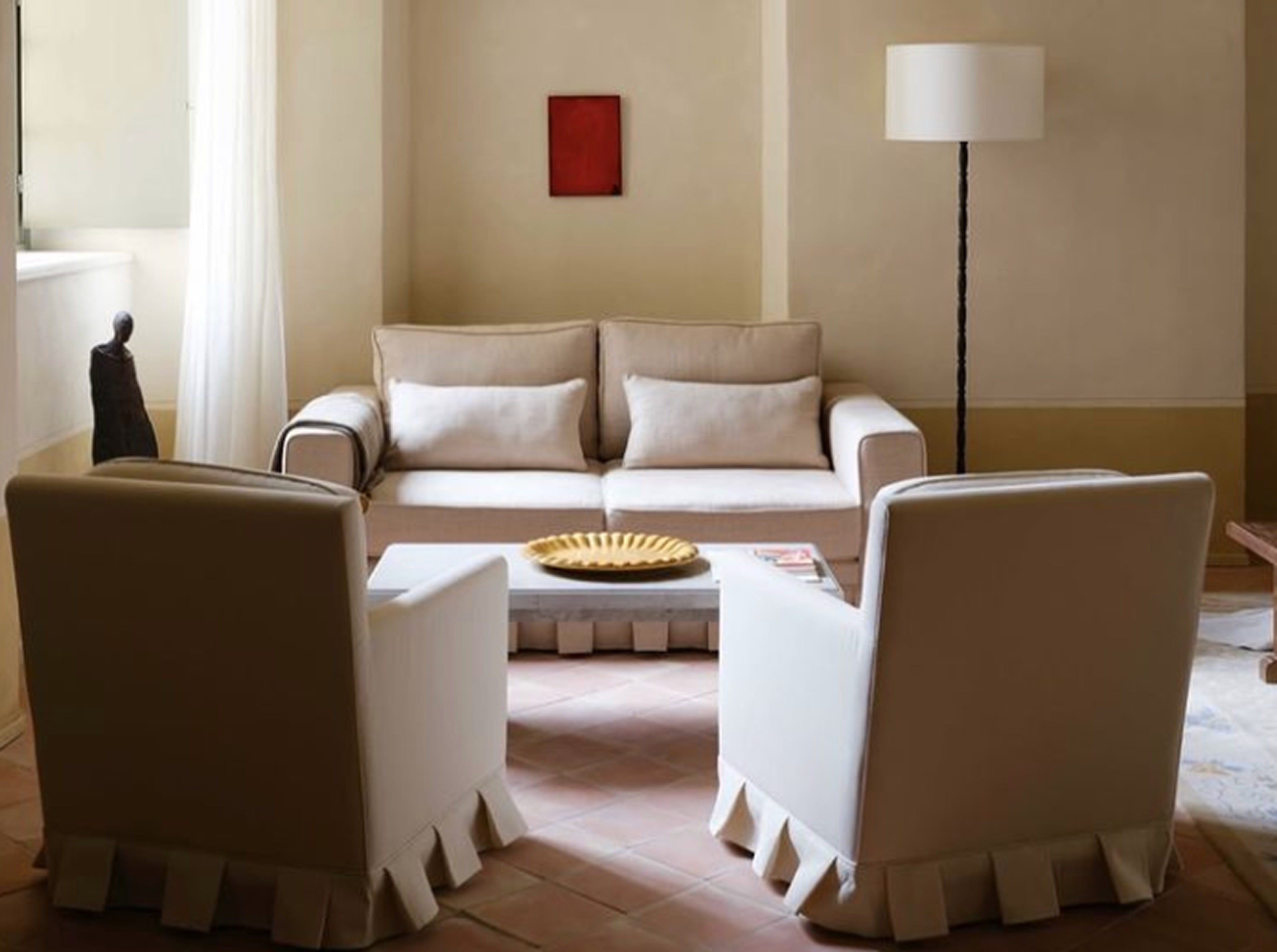
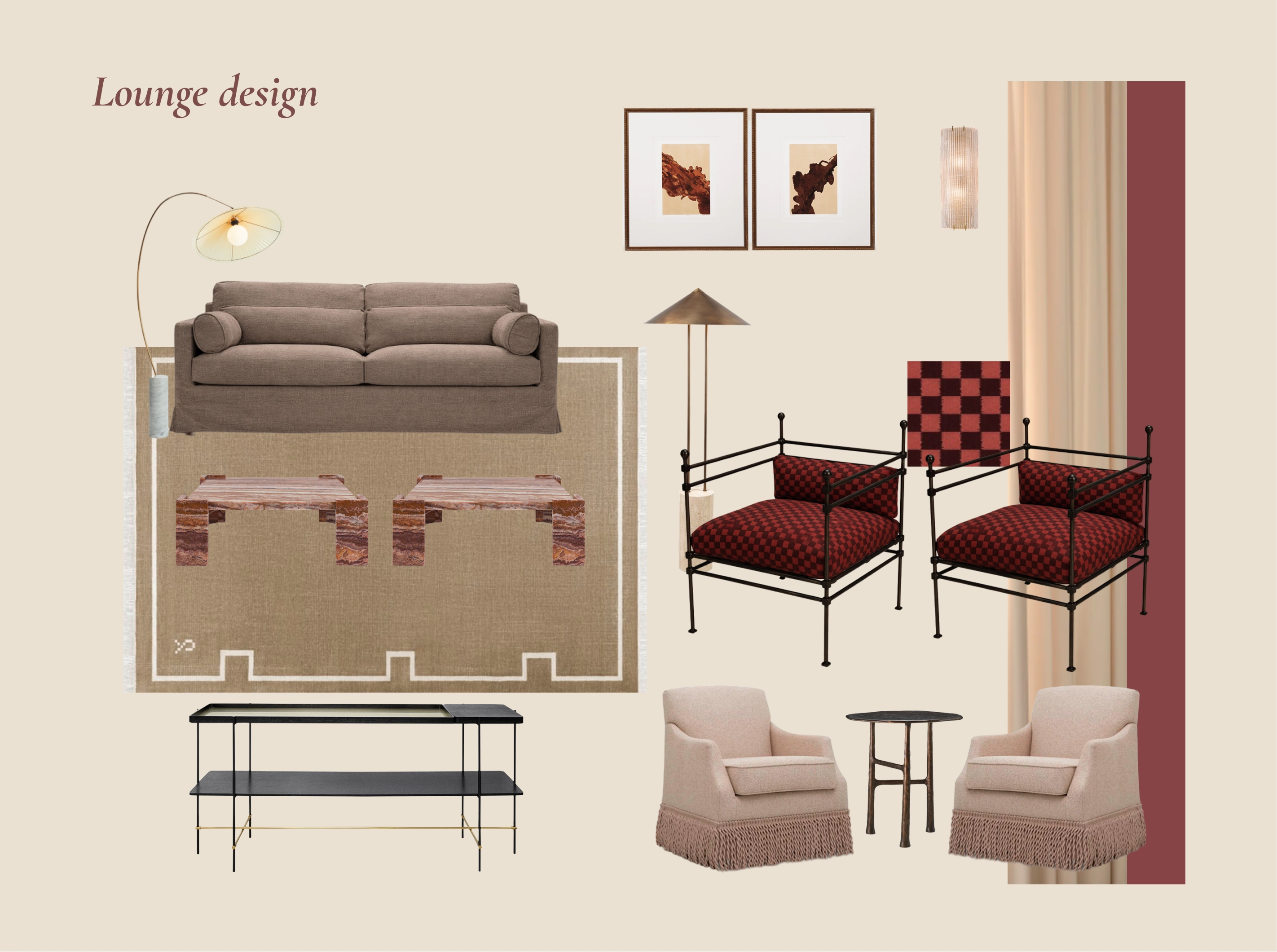
From here, the home will open into the main lounge. Vaulted ceilings and arched forms give the space architectural drama, softened by generous seating and textiles. Whilst we retain the paint on several arches as purposeful features of the architecture, the middle adjoining archway will be painted white so the living space reads as one. “It’s about guiding how the room is experienced without interrupting the architecture,” Francesca explains. In a similar way, a large rug bridges the adjoining areas below, visually tying the two halves of the lounge together so the room feels expansive rather than divided. Red marble coffee tables, their structure echoed in a geometric motif on the rug below, add weight and richness, while velvet sofas and custom iron-wrought seating balance solidity with comfort.
Tucked to one side, the study offers a more intimate counterpoint. Colour-washed in a deep red that mirrors the arches beyond, it centres around another fireplace and crest, creating a cocooned space for reading and retreat.
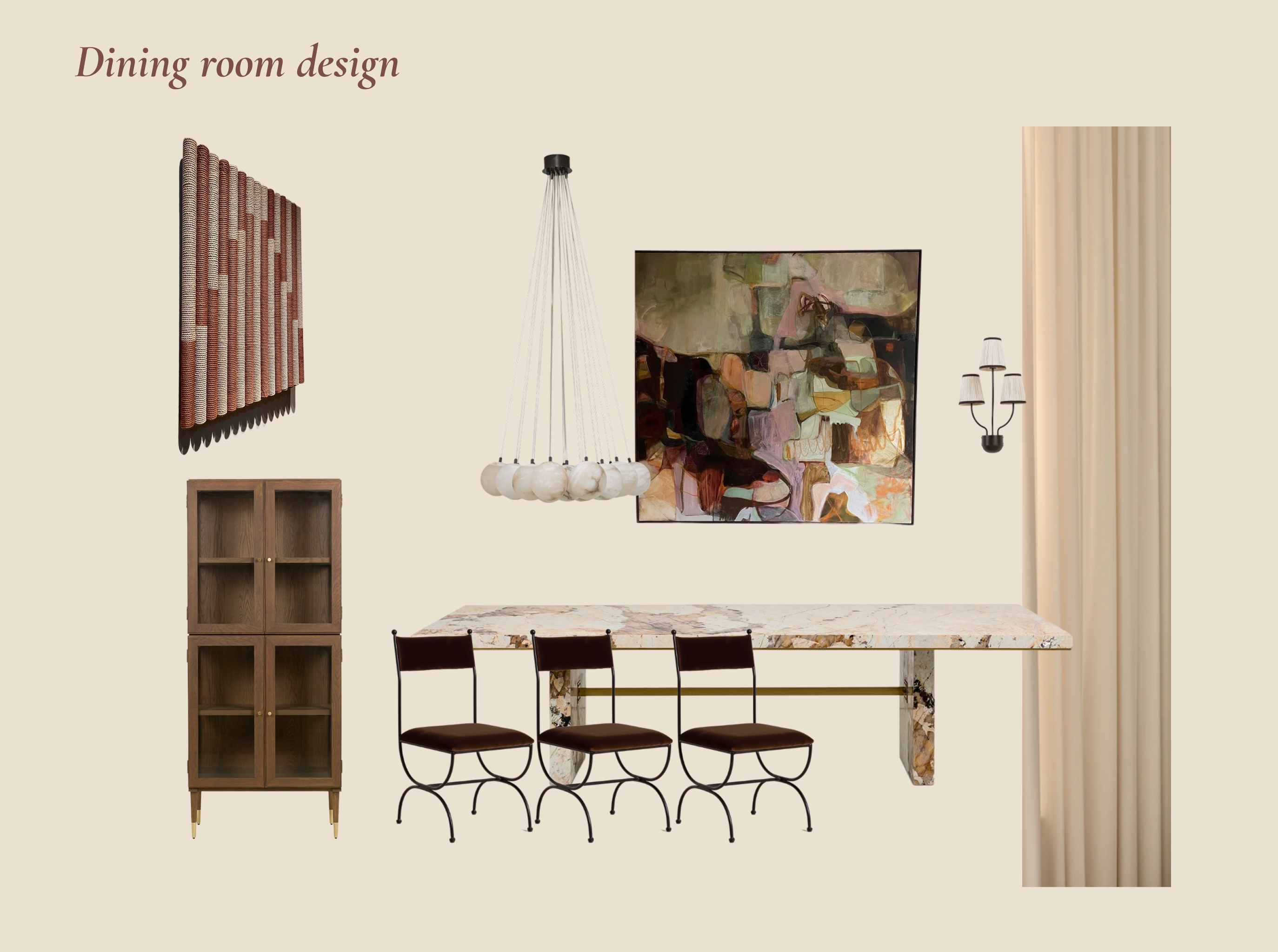
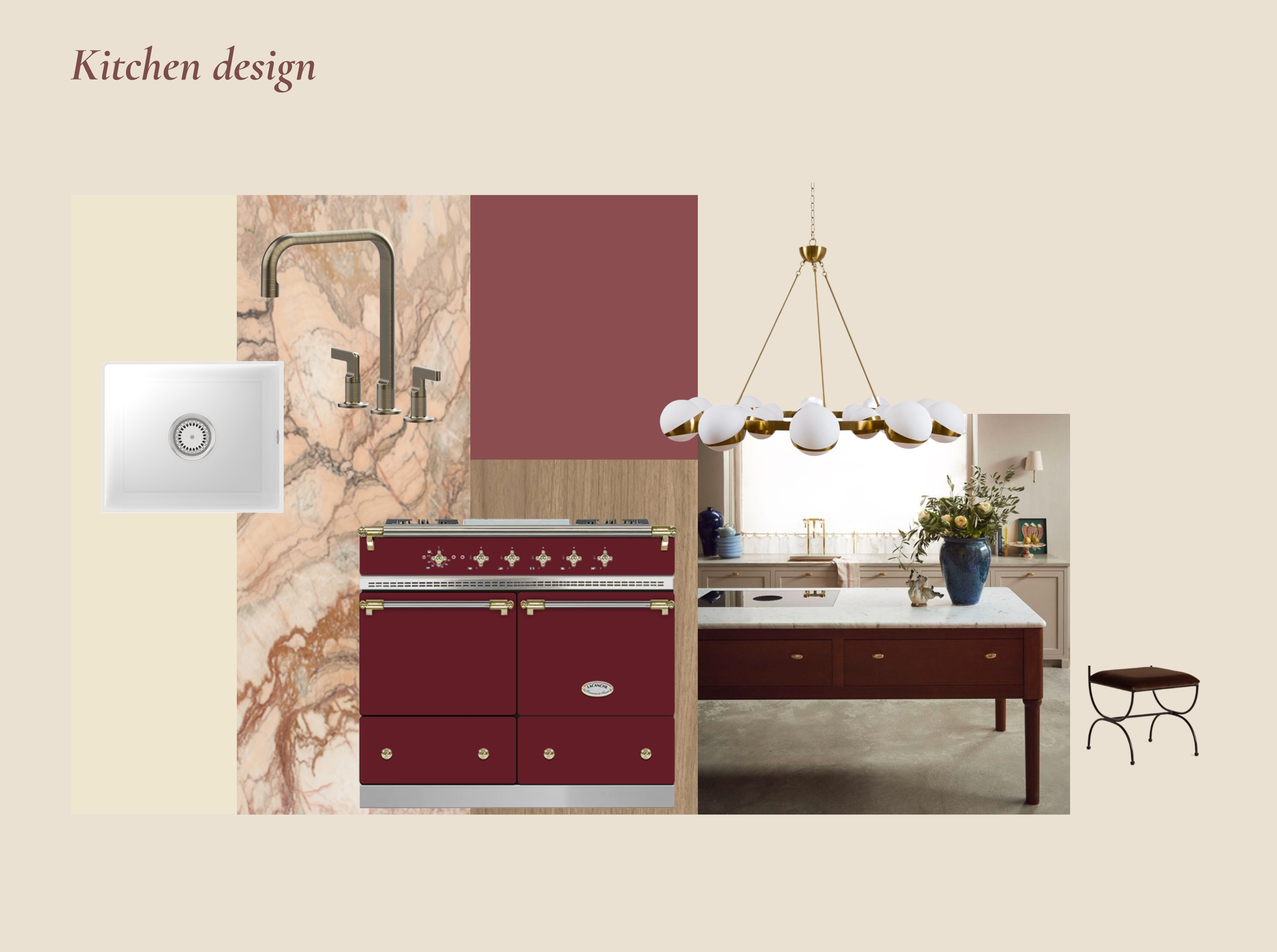
The dining room and kitchen in true Italian style sit at the heart of the home, conceived as places of gathering rather than display. Arched ceilings continue overhead, while the kitchen itself is designed around flow and ease. A cherry-red La Conche oven sets the tone, paired with a farmhouse sink and pink-toned marble counters finished with a thick double bullnosed edge, giving the marble a sense of weight and craftsmanship more often associated with furniture than cabinetry. The island itself is designed slightly lower than standard and supported by slender spindle legs, allowing it to read more like a generous farmhouse table than a fixed kitchen block. “The island needed to feel like furniture,” Francesca explains. “A place people naturally gather around, somewhere that invites conversation rather than dominating the room.”
Private Spaces: Bedrooms, Baths and the Annex
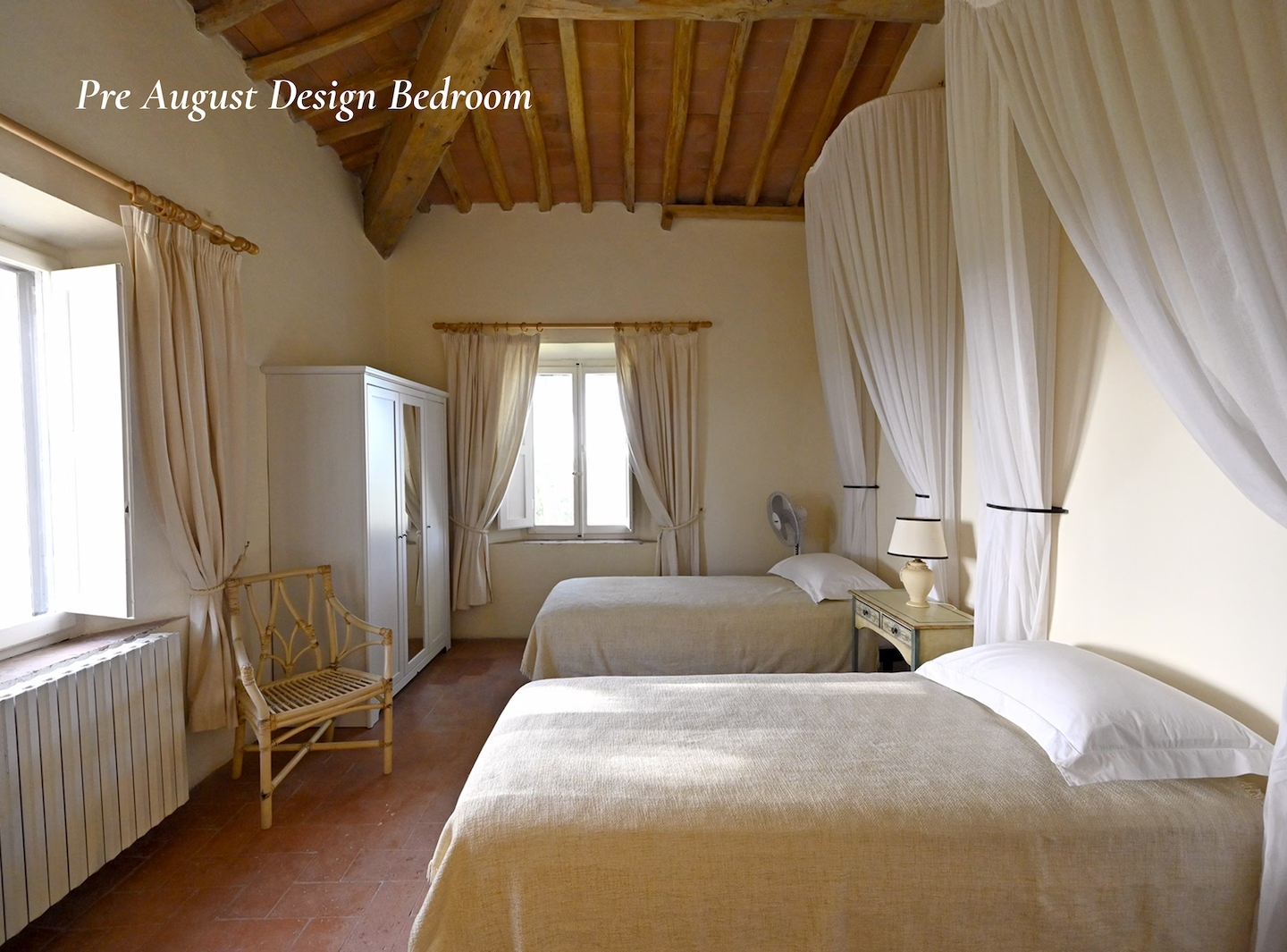
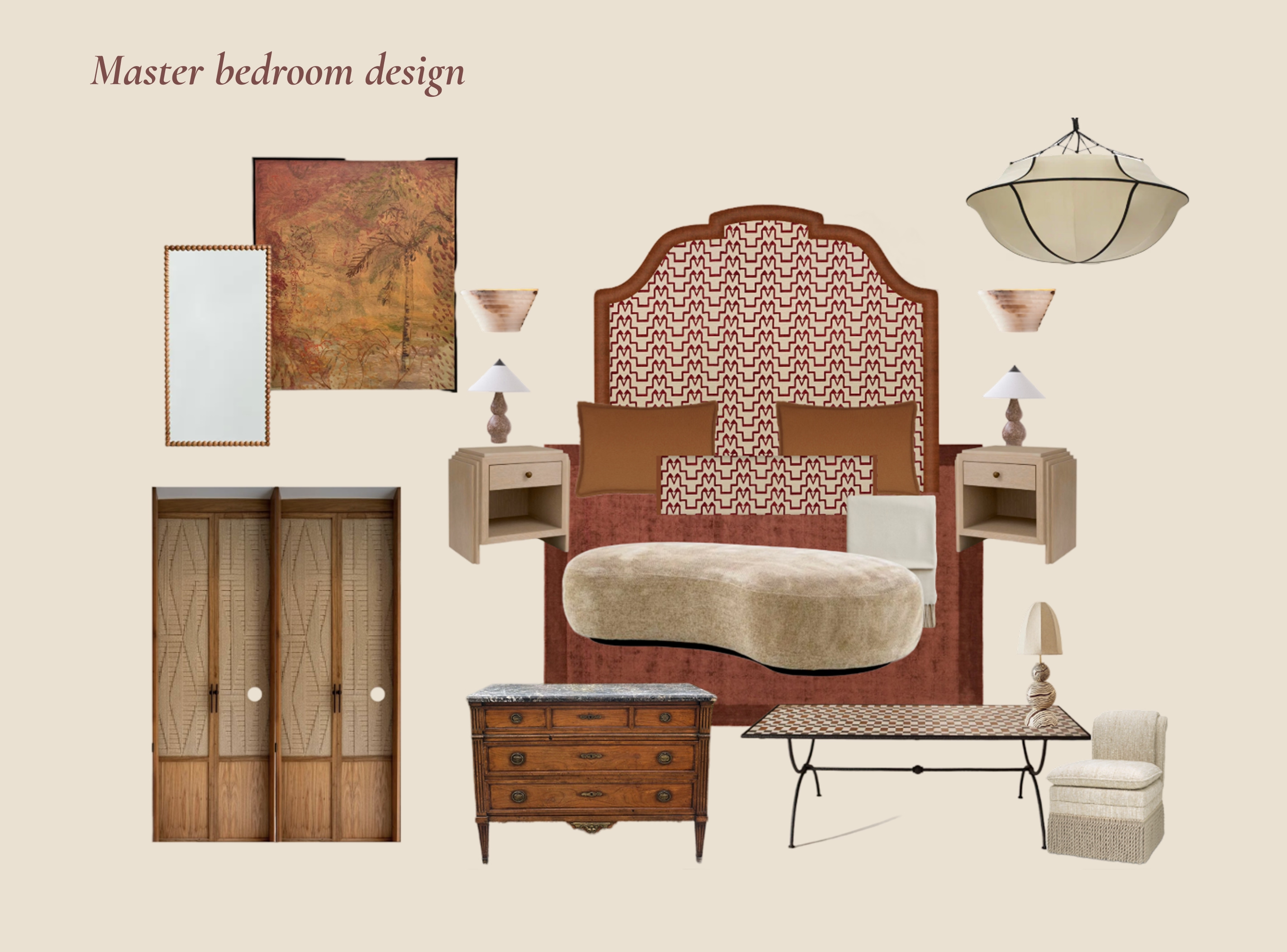
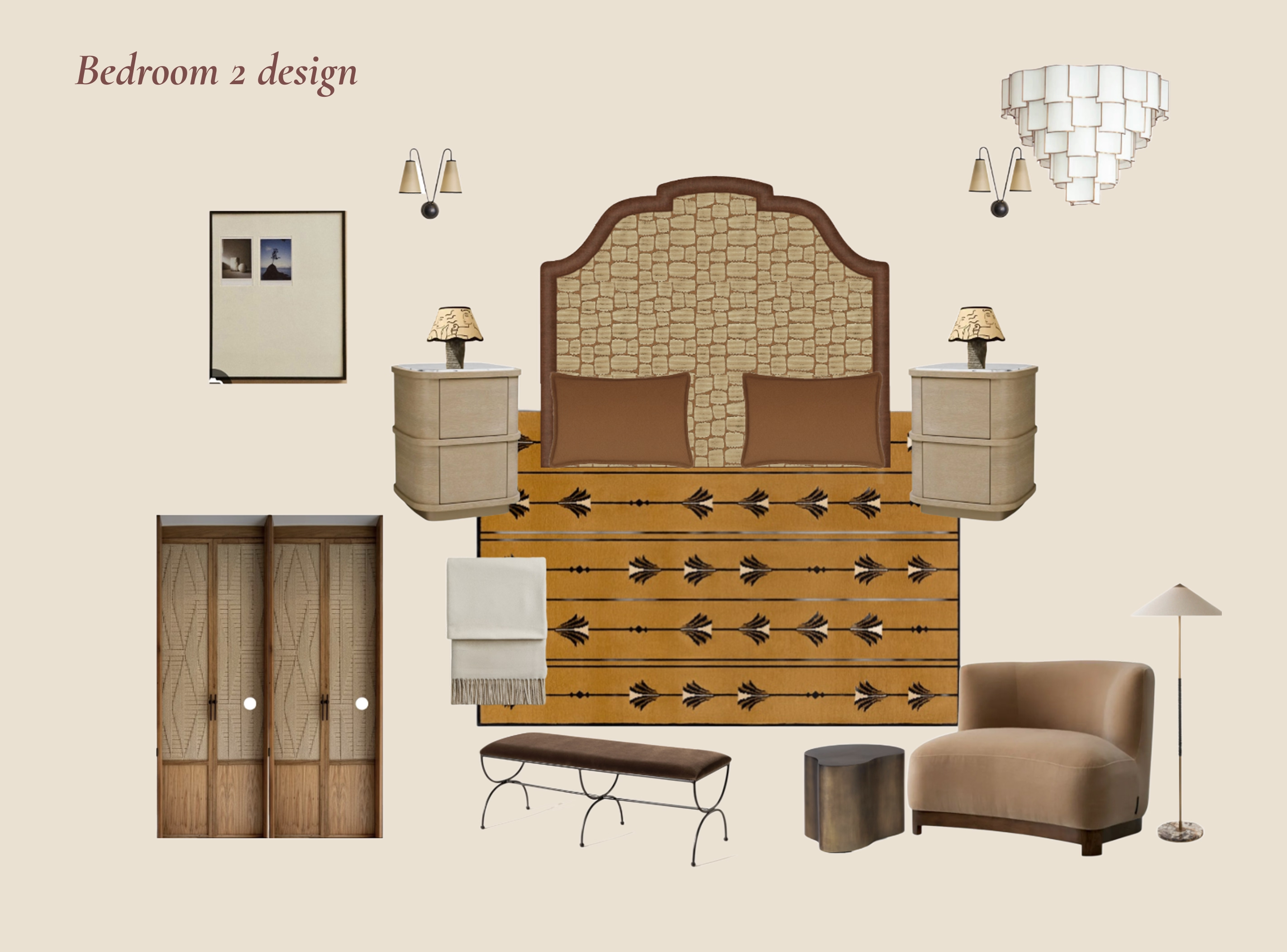
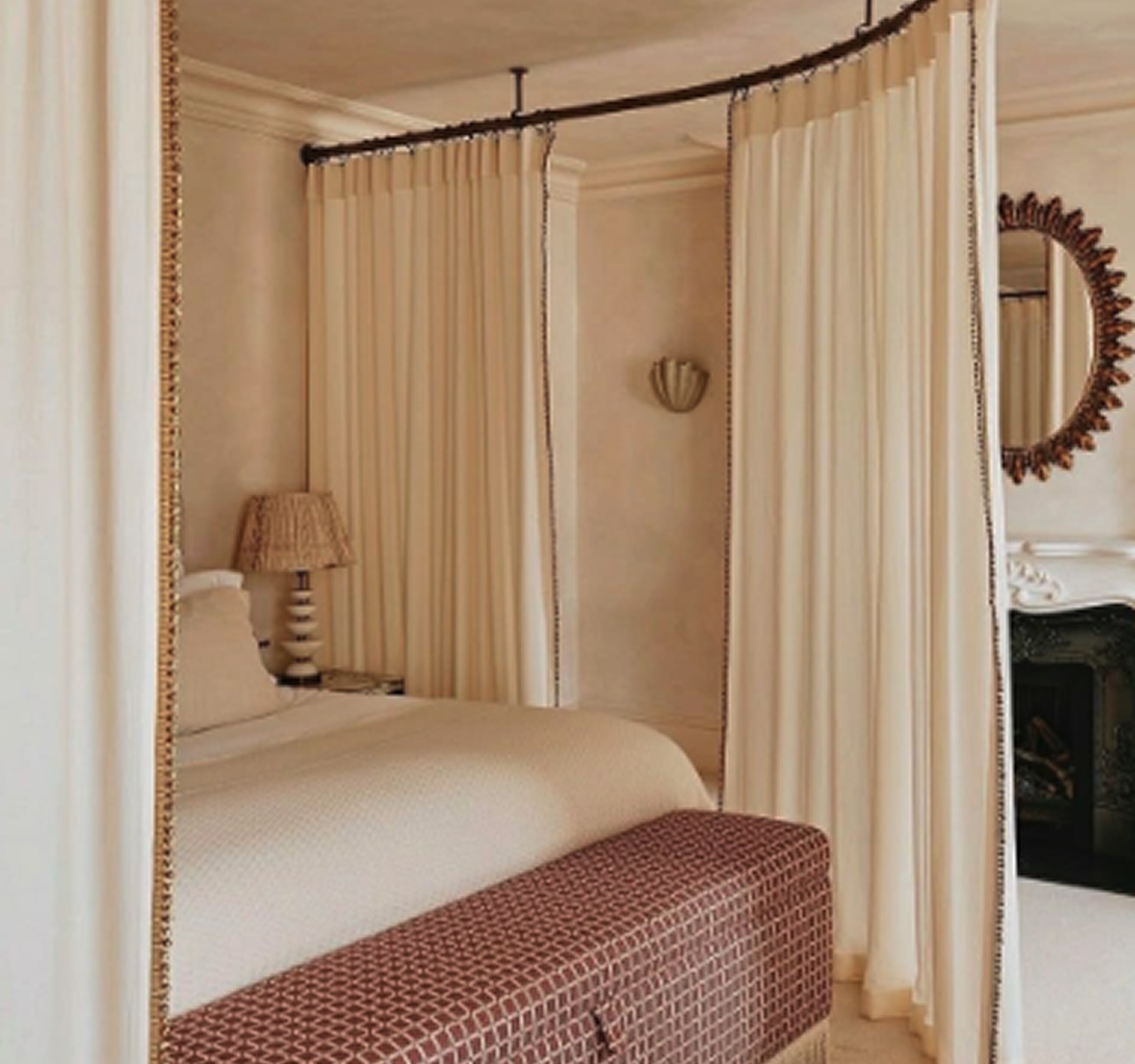
Upstairs, the design intentionally softens the pace. Bedrooms are designed to envelop rather than impress, with drapery used generously to create a sense of calm while keeping spaces light and breathable. Custom joinery in darker oak introduces functionality, softened through fabric-panelled surfaces that avoid anything clinical.
The principal suite sits at the end of the corridor, its beamed ceiling and tiled surfaces preserved. An opening leads seamlessly into the ensuite, where a freestanding roll-top bath, mottled glass screening and marble-topped sinks create a sense of quiet indulgence. Terracotta flooring underfoot grounds the space, while Gessi fixtures in dark bronze add depth.
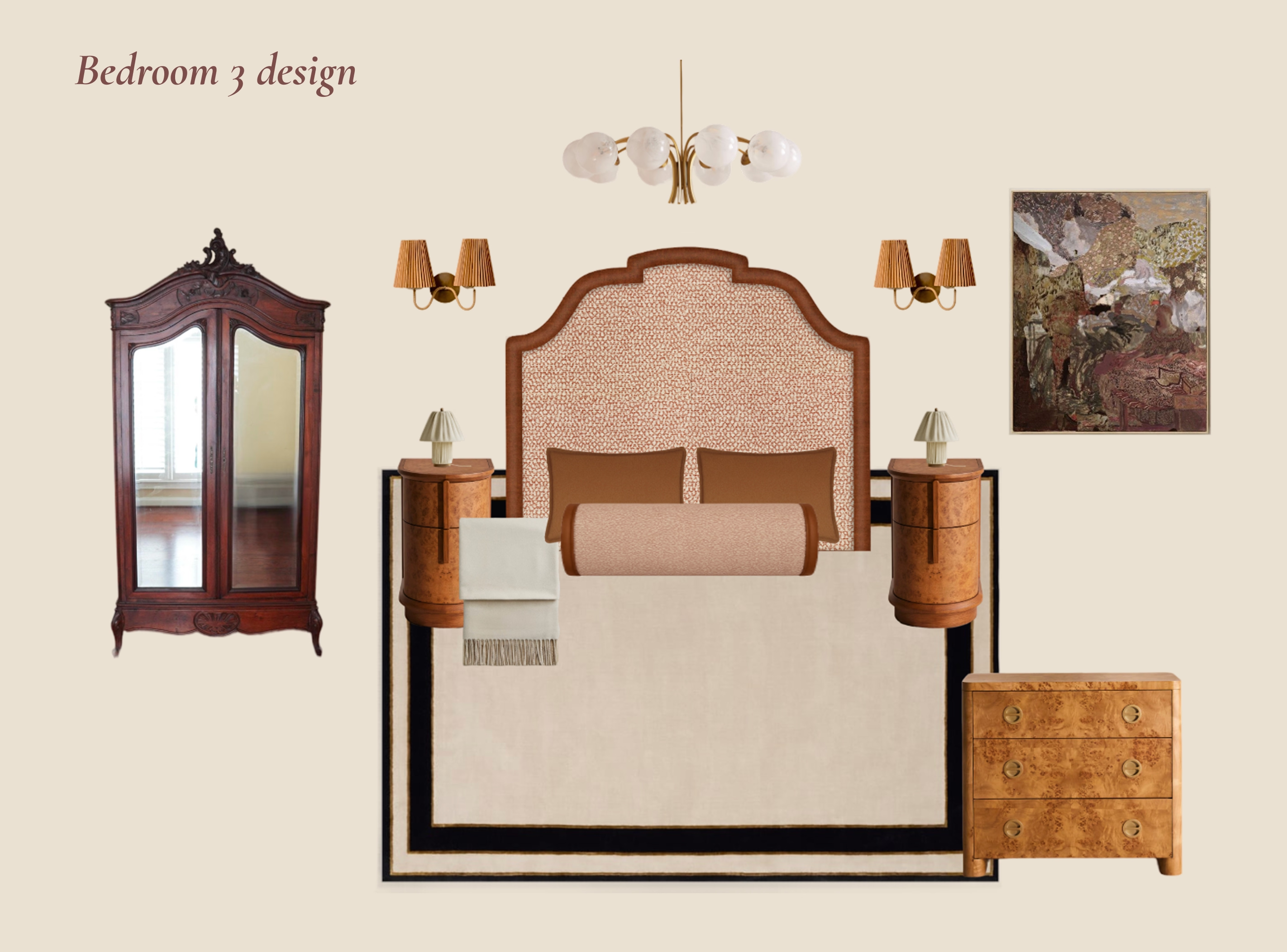
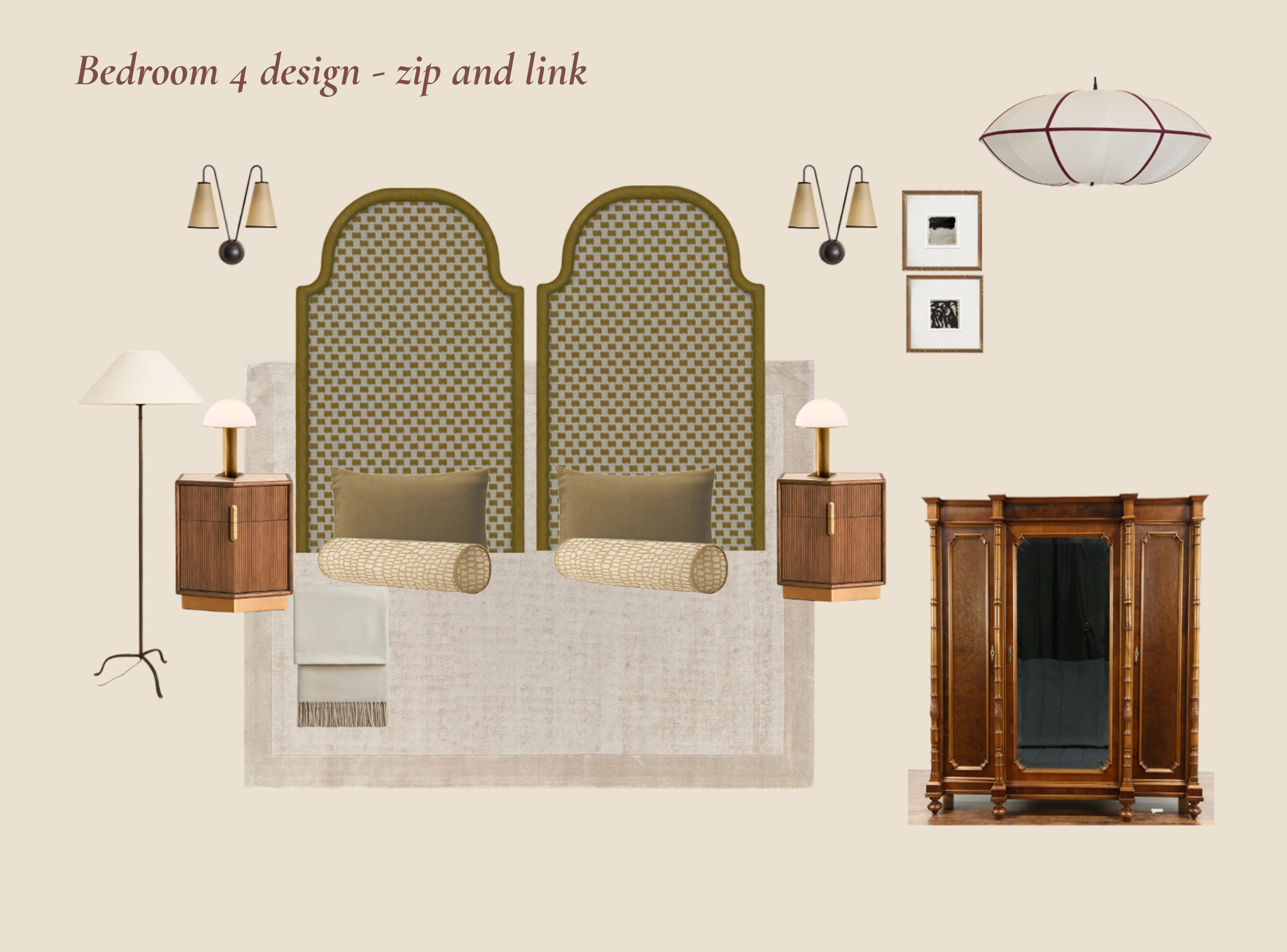
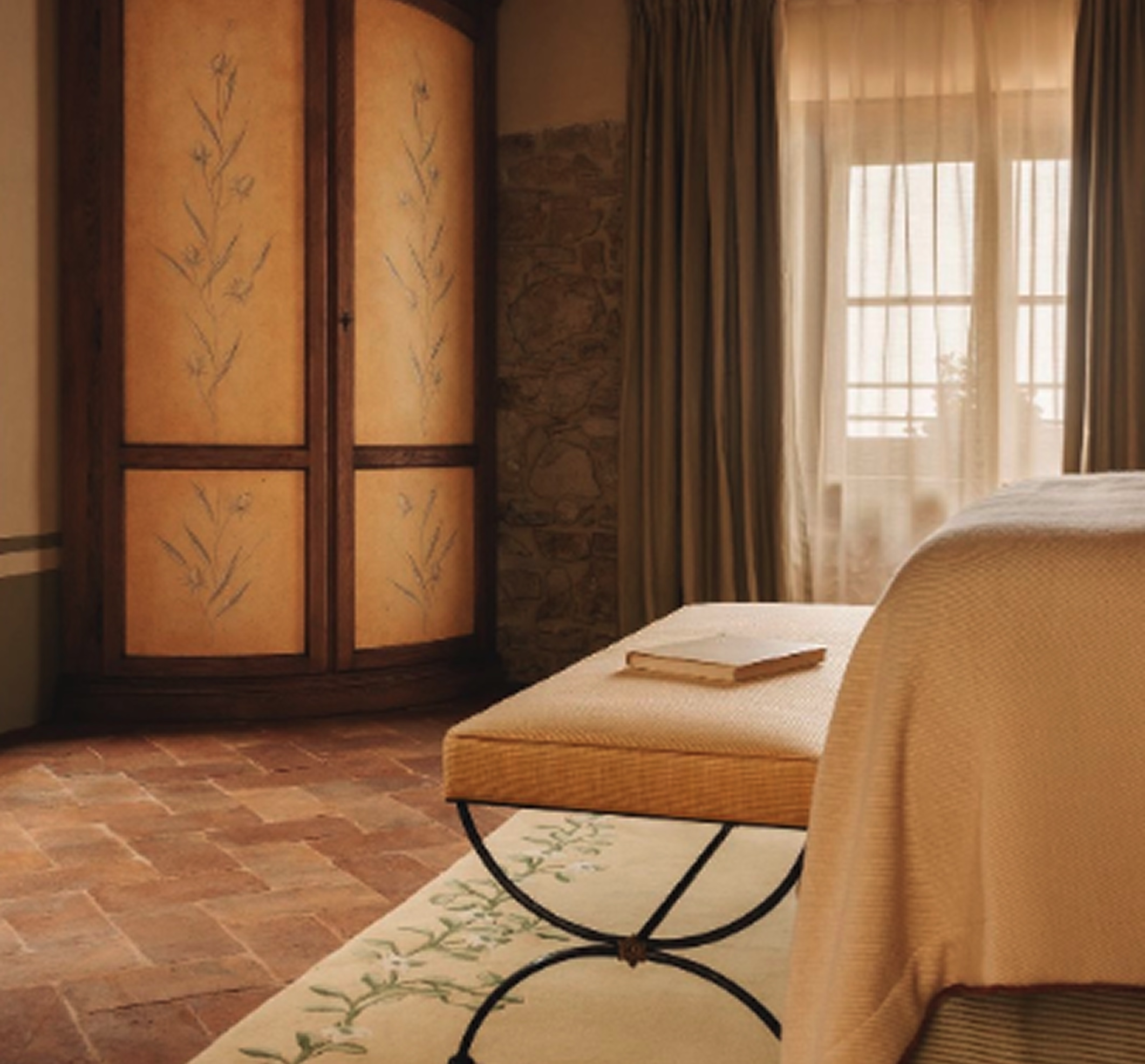
Beyond the principal suite, the remaining bedrooms each take their cue from the views and rhythms of the estate. One looks out over the tree-lined approach and vineyards beyond, where a bespoke wardrobe and newly defined suite layout give the room a sense of quiet independence. Another, a personal favourite of co-founder Mélie for its sunset views across the pool, is being designed as a self-contained ensuite retreat. The final bedroom, arranged as a zip-and-link, introduces a slightly greener palette alongside antique furniture, with its own bathroom just across the corridor.
The annex, once a utilitarian storage space, has been reimagined as a house within the house. On the ground floor, a compact kitchen allows for complete independence, while a study-library sits opposite. Upstairs, cotto flooring has been reinstated to tie the space back to the main villa. A generous TV lounge, anchored by a bold rug and a dramatic oversized lampshade, becomes the visual centrepiece of the annex. Custom made in Valencia, the piece is intentionally scaled far beyond a typical pendant, its woven structure and soft velvet trim designed to emphasise the height of the double-volume room. “By playing with scale like this, the lamp draws the eye upward and celebrates the architecture rather than competing with it,” Francesca explains. It leads naturally to the bedroom above, which will be enclosed to create a sense of warmth and intimacy. Bespoke joinery conceals modern comforts, ensuring the annex feels relaxed yet considered.


An Interior Shaped by Italy
Across the villa, furniture and art feel gathered rather than arranged, rooted in the landscape of Poggibonsi and the wider hills of Chianti. Sculptural forms echo brick vaults and arches, while patterns reference vineyard rows and terracotta coursing. Iron, earth and sunset tones repeat gently, creating cohesion without uniformity.
For Francesca, this balance is key. “We wanted the house to feel shaped by its surroundings,” she says. “Not nostalgic, not overly restored, but grounded, generous, and ready to be lived in.”
In honouring its past, the interiors offer something enduring: a Tuscan home that feels settled, soulful and quietly elevated, designed to welcome its next chapter with ease.
If the Paloma Prime vision of Tuscan living has you imagining a European lifestyle of your own, speak with our team about making it a reality.
.jpg)

When the Prime Tuscan estate is complete, stepping inside will feel immediate and grounding. The interiors are being designed not to announce themselves loudly, but to unfold with quiet confidence, shaped by history, materiality and proportion. Rooted in Florence’s architectural lineage yet interpreted through a contemporary lens, luxury is felt in weight, texture and restraint rather than polish. Guided by Francesca, Head of Design at August, the interior approach has been one of careful listening. “The villa already had a very clear character,” she explains. “Our role was to respond to that, honouring its structure and spirit while refining how it lives today, shaping the kind of quietly generous, lived-in luxury that defines the Prime lifestyle.” The result is an interior language that feels both deeply Tuscan and unmistakably Prime.
join the conversation
Fill in the form below to secure your space
Details to join the virtual event will be sent by email.
Discover August, the concept and how you can become a Homeowner.
Learn about our Collections and experience some of the homes
Understand the process to join
And all of your questions answered
RSVP to save a spot. The details to join the virtual event will be sent to you shortly.

1. Introduction to the August
concept
Discover more about August, our unique co-ownership model and how you can become a Homeowner
2. Homes & Collection
Learn about our unique types of Collections, our homes and which Collection suits you
3. From a house to a home
Hear from Homeowners, who will be sharing their experience and help to answer your questions
request a brochure
Begin your journey to second homeownership by arranging an introductory call with a member of our expert team.